
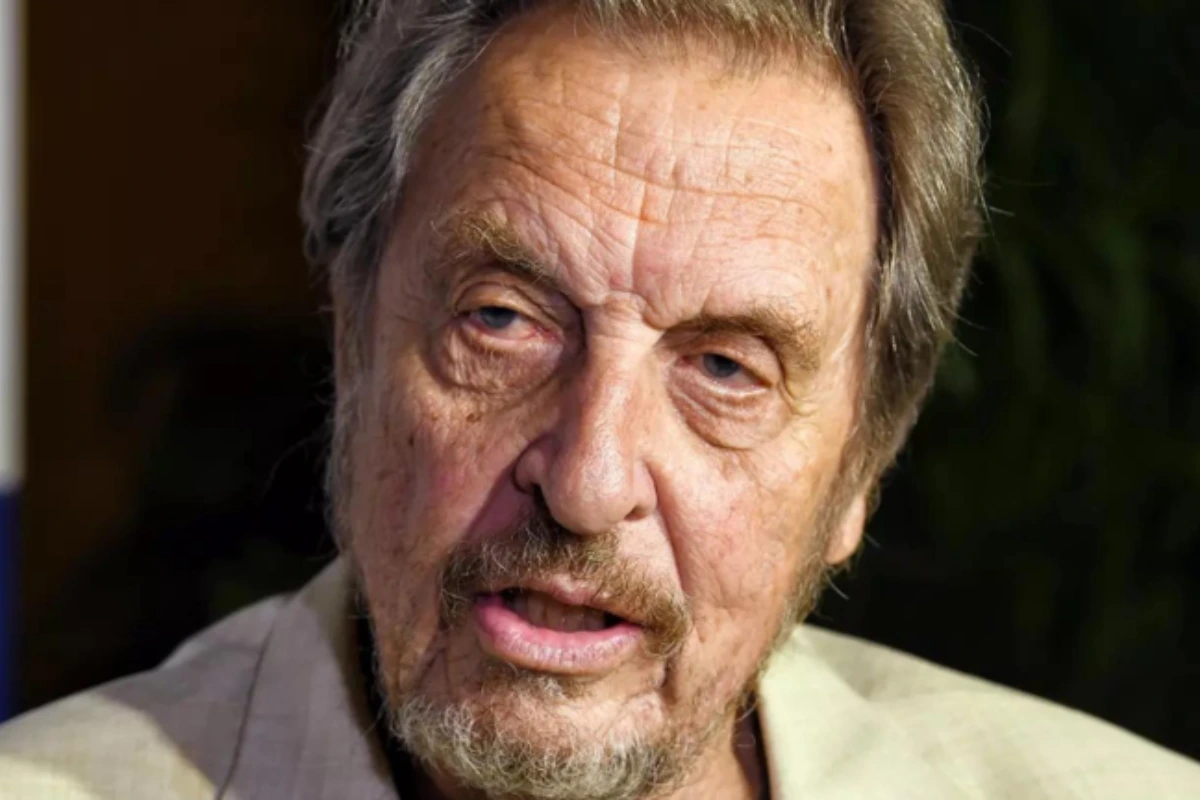
Errol Musk — father of Tesla and SpaceX chief executive Elon Musk — has once again found himself at the center of controversy after making provocative remarks about America’s future demographic shift. In a recent interview, Errol claimed that the United States could “collapse” if the white population becomes a minority within the next twenty years, calling the prospect “a very, very bad thing to happen.”
Expanding on his views, Errol questioned what he described as the consequences of rapid demographic change. “You want to see the U.S. go down? Why? You don’t like electric cars, and you don’t like technology?” he asked, adding a rhetorical jab about whether people “want to go back to the jungle.” His comments immediately drew criticism for both tone and implication.
Errol also referenced his native South Africa, arguing that the country’s “small white population that projects the European culture” had contributed meaningfully to national growth and to what he described as improved living standards for Black citizens. He dismissed long-standing claims of systemic oppression during apartheid as “nonsense,” remarks that contradict widely documented historical accounts and continue to ignite debate.
A strained father–son relationship
Elon Musk has long acknowledged his troubled relationship with his father. In a Rolling Stone interview years ago, the billionaire entrepreneur described Errol as someone who could “plan evil,” reflecting deep personal pain and mistrust that began in his childhood.
Elon has repeatedly criticized his father’s decisions and alleged behavior, calling him “such a terrible human being” and claiming he had committed “almost every crime you can possibly think of.” According to Elon, attempts to reconcile over the years have failed. “Nothing works,” he once reflected. “I’ve tried threats, rewards, intellectual arguments, emotional arguments — everything. It only got worse.”
Errol’s history has only added to the tension. In 1998, he admitted to killing three people, insisting the shootings were in self-defense. He was arrested at the time but later released after authorities dropped the charges. The case became another episode in a long line of controversies that have shaped public perception and deepened the family divide.
A shadow over the Musk legacy
Despite Elon Musk’s global influence in technology, space exploration, and electric vehicles, the family’s internal rifts continue to surface publicly whenever Errol speaks. Analysts note that Errol’s remarks — especially on race, politics, and history — often spark backlash and invite scrutiny into the Musk family dynamic.
For Elon, the ongoing controversies remain a reminder of unresolved personal challenges behind his high-profile success. While his innovations have defined industries, his father’s outspoken and polarizing views continue to cast a shadow over their relationship — one that, by Elon’s own account, may never truly heal.