Nabil Gabol
The release of Dhurandhar: The Revenge has sparked conversations that go far beyond its storyline, drawing attention to real-life parallels and political references. Among the many discussions surrounding the film, one character—Jameel Jamali—has particularly stood out, leading to speculation and comparisons with real-world figures. This unexpected connection has brought Pakistani politician Nabil Gabol into the spotlight.
Played by Rakesh Bedi, the character of Jameel Jamali in the film is portrayed as a cunning Karachi-based politician with hidden motives. As audiences watched the film, many began drawing parallels between the fictional character and Nabil Gabol, prompting discussions across social media platforms.
As the speculation gained momentum, Gabol was asked directly about these comparisons during an interview. Addressing the topic, he firmly denied any association with underworld figure Dawood Ibrahim, whose reference in the film has also become a point of debate.
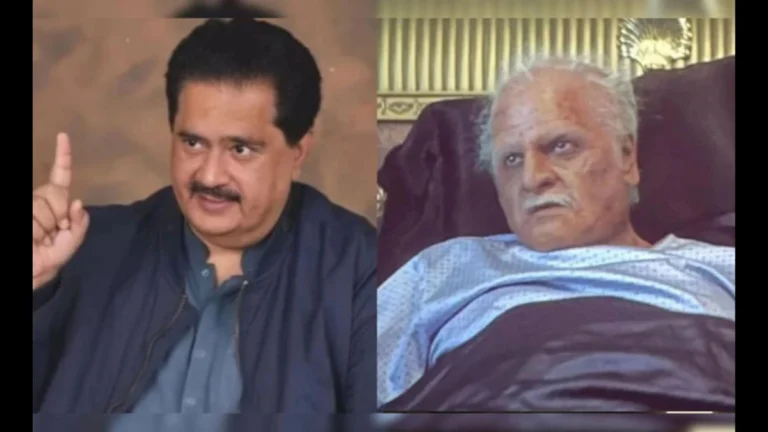
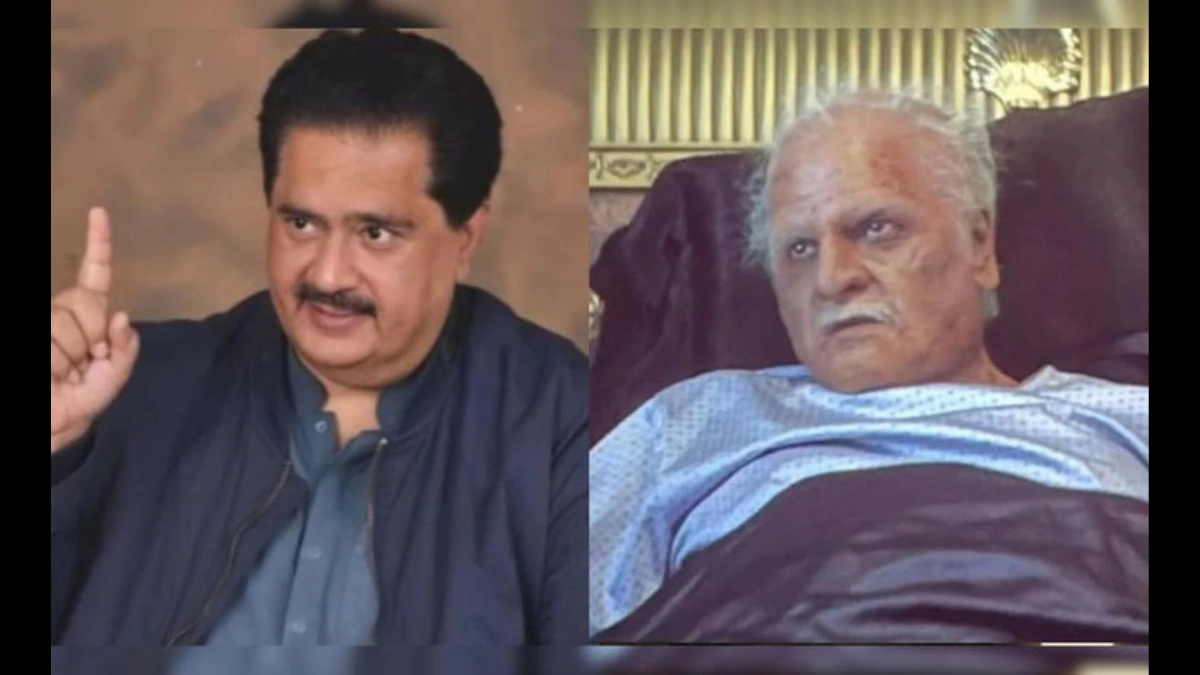
In Dhurandhar: The Revenge, Dawood Ibrahim—referred to as “Bade Sahab”—is depicted as a frail and bedridden figure, allegedly operating from Karachi. The portrayal suggests that he resides in the Clifton area, a detail that sparked curiosity and further speculation among viewers.
Responding to a question during his interaction with a media platform, Gabol said that he has never met Dawood Ibrahim and is unaware of his presence in Karachi. He stated that while the film and media reports claim that the underworld don lives in Clifton, the area is located very close to his own residence. Despite this proximity, he insisted that he has neither seen him nor has any knowledge of his activities.
Gabol also addressed the film’s dramatic depiction of Dawood Ibrahim’s condition, where the character is shown on his deathbed. He clarified that he has no information about whether such claims are true or purely fictional, distancing himself from the narrative presented in the movie.
The controversy highlights how cinema, especially films inspired by real-life events, can blur the lines between fiction and reality. The character of Jameel Jamali, initially perceived as a powerful political figure, is later revealed in the film to be an Indian spy, adding another layer of intrigue to the storyline.
Beyond the controversy, Dhurandhar: The Revenge continues to attract audiences with its gripping plot and action-packed sequences. The film stars Ranveer Singh in the lead role, portraying undercover Indian agent Hamza Ali Mazari. His mission involves infiltrating the criminal underworld of Lyari to dismantle networks linked to terror activities.
The narrative also explores the character’s past through flashbacks, revealing his identity as Jaskirat Singh Rangi, a Sikh युवक who dreams of joining the Indian Army, inspired by his father’s legacy. This emotional backstory adds depth to the otherwise high-octane thriller.
Produced by Jyoti Deshpande and Lokesh Dhar, the film was released on March 19 in multiple languages, including Hindi, Telugu, Tamil, Kannada, and Malayalam. Its wide release has contributed to its growing popularity and the discussions surrounding it.
The situation involving Nabil Gabol reflects the powerful influence of cinema in shaping public discourse. While films like Dhurandhar: The Revenge are designed for entertainment, their connection to real-world elements can sometimes lead to unexpected reactions and debates.
As the film continues to perform in theatres, the conversations it has triggered—both cinematic and political—show no signs of slowing down.
About the Author