
Before Google Took Over: Today, searching for anything online begins almost instinctively with Google. From news and education to entertainment and daily queries, the platform has become synonymous with internet search. However, the story of how Indians explored the web did not begin with Google.
In the late 1990s, as personal computers slowly entered Indian households, internet access was still a novelty. Dial-up connections were common, and logging online itself felt like an achievement. During this early phase of India’s digital journey, Google was not yet part of everyday life—and in fact, it had not even launched.
Rediff and Yahoo: India’s First Digital Gateways
For most Indian users, the internet experience started with portals such as Rediff.com and Yahoo!. These websites acted as all-in-one digital destinations rather than simple search tools. Users checked headlines, followed cricket updates, read emails, and searched for information—all from a single homepage.
Rediff Mail was especially popular, as many Indians created their first-ever email accounts on the platform. Yahoo! also enjoyed massive popularity, offering news, chat rooms, horoscopes, and a built-in search function. At the time, Yahoo! was one of the largest internet companies globally and was widely trusted by Indian users.
Among tech-savvy users, AltaVista stood out as a preferred search engine because it delivered relatively faster and more detailed results compared to others.
Challenges of Searching in the Dial-Up Era
Internet usage in the 1990s came with several limitations. Dial-up connections were slow and often took over a minute just to connect. Since browsing multiple pages was time-consuming, users favored websites that packed maximum information into a single page.
Early search engines also struggled with accuracy. Search results were often cluttered with irrelevant links, pop-ups, and banner advertisements, making it difficult to find precise information. Despite these challenges, the excitement of accessing global information from home outweighed the inconvenience.
Google’s Entry and a Digital Shift
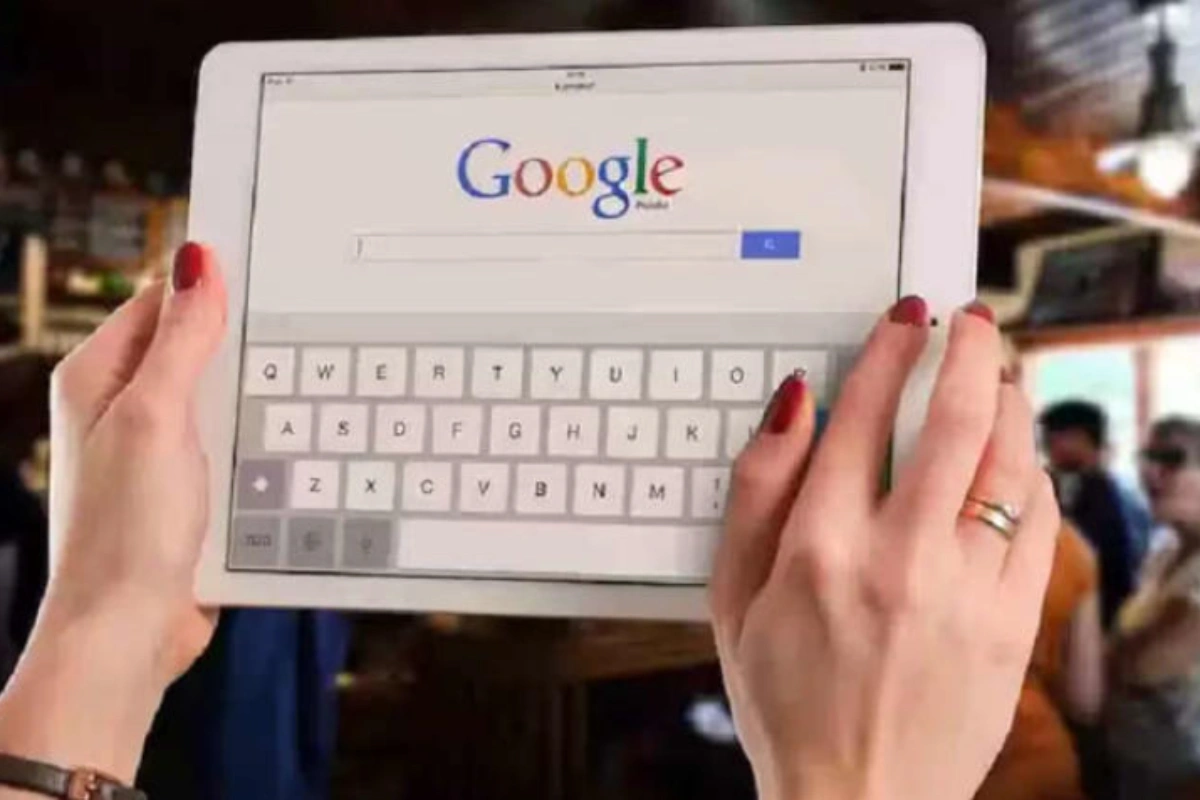
Everything began to change around the year 2000 with the arrival of Google. Unlike existing portals, Google offered a clean, minimal design focused entirely on search. There were no flashy banners or distractions—just a blank page and a search box.
Google’s PageRank algorithm revolutionized the way information was sorted and displayed, delivering highly relevant results in seconds. For many users, the accuracy and simplicity felt revolutionary. Gradually, Indian internet users shifted away from portal-based browsing to direct searching.
Over time, “searching the internet” became “Googling,” marking a major shift in how Indians interacted with the digital world.