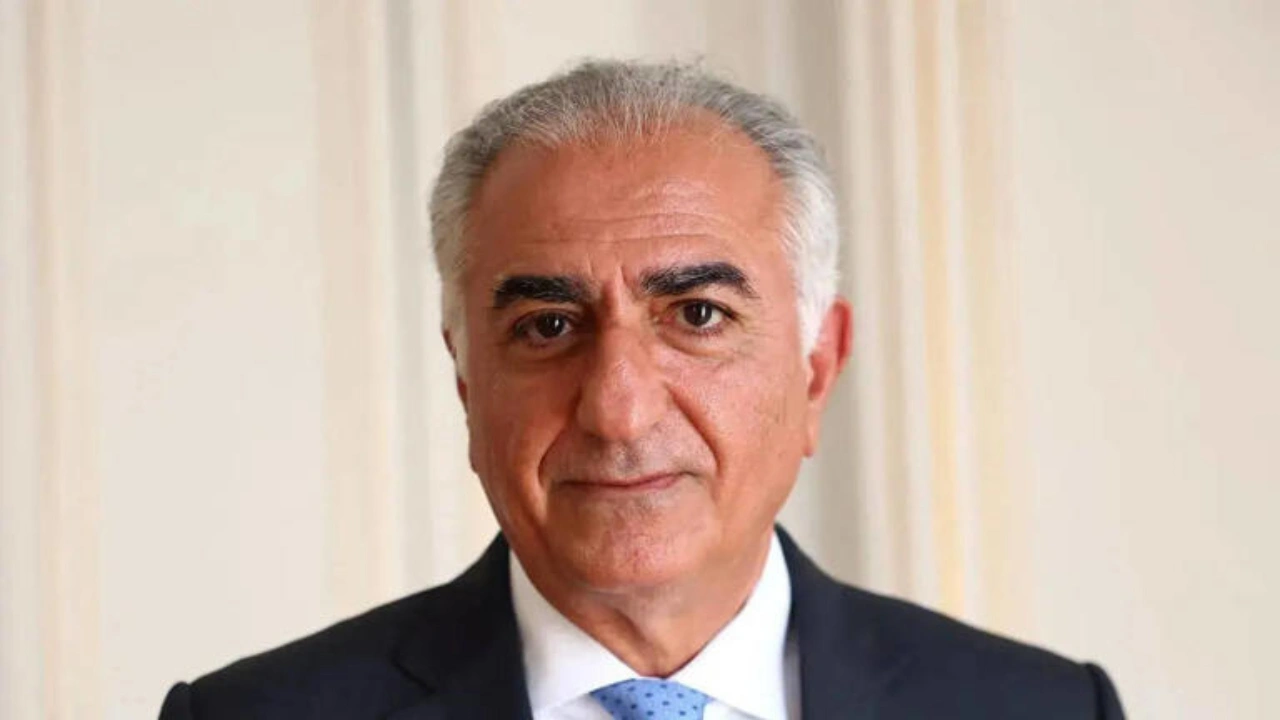
Reza Pahlavi
As tensions escalate in the ongoing conflict involving Iran, the United States, and Israel, exiled Iranian crown prince Reza Pahlavi has announced that he is prepared to lead a transitional government in Iran if the current Islamic Republic collapses.
Pahlavi, who has lived in the United States since the Iranian Revolution forced his father from power, made the statement in a public message addressed to Iranians on social media. His remarks come as the conflict between Iran and a US-Israeli alliance has intensified, with the war reportedly entering its 15th day.
In his message, Pahlavi said he is ready to assume leadership during a transitional phase aimed at restoring stability and preparing the country for a new political system.
A Vision for a Transitional Government
According to Pahlavi, his proposed transitional system would take charge immediately after the collapse of the Islamic Republic. He emphasized that the goal of such a government would be to quickly restore order and establish conditions for security, freedom, and economic recovery in Iran.
Pahlavi said the transitional administration under his leadership would work to stabilize the country while preparing the groundwork for a democratic future. He argued that the priority would be ensuring public safety and preventing chaos during a potentially turbulent political shift.
He also stressed that the ultimate decision about Iran’s political future should belong to its citizens, not to any single individual or group.
The “Iran Prosperity Project”
To outline his plans more clearly, Pahlavi introduced a framework known as the “Iran Prosperity Project.” The proposal details a roadmap for the first 180 days following the fall of the Islamic Republic.
The plan includes organizing a nationwide referendum that would allow Iranians to decide which system of government they want for their country. This could include options such as a constitutional monarchy, a republic, or other democratic forms of governance.
After the referendum, the transitional leadership would oversee preparations for a formal national election. The goal would be to create a legitimate and internationally recognized government chosen directly by the Iranian people.
Pahlavi also said that work is already underway to identify individuals who could serve in a transitional governing council.
Building a Government-in-Waiting
Pahlavi revealed that he has been consulting with experts and advisers both inside and outside Iran to prepare for a possible political transition. Among those assisting with the planning process is Saeed Ghasseminejad, an Iran specialist affiliated with the Foundation for Defense of Democracies.
According to Pahlavi, this effort involves selecting potential members of a transitional governing body capable of managing state institutions if the current regime falls.
The idea behind the initiative is to ensure that a functioning administrative structure is ready to step in immediately should the opportunity arise. By preparing in advance, Pahlavi believes the transition could occur more smoothly and prevent instability.
Rising Profile Among Opposition Figures
Over the past year, Reza Pahlavi has become one of the most visible opposition figures challenging Iran’s theocratic leadership. His prominence increased significantly after widespread protests against the government intensified in late 2024.
During this period, Pahlavi has also been engaging with political leaders and policymakers in Europe, attempting to present himself as a credible alternative to the current Iranian leadership in international diplomatic circles.
Supporters see him as a symbol of national unity and continuity, while critics argue that his long exile raises questions about his ability to represent the political realities inside Iran.
Questions About Domestic Support
Despite his growing international profile, analysts note that the key challenge facing Pahlavi remains his level of support within Iran itself. For any exile leader attempting to position themselves as a future national leader, gaining legitimacy among people living inside the country is essential.
Former US President Donald Trump has publicly questioned whether Pahlavi has enough domestic backing to lead Iran effectively. These concerns highlight the broader uncertainty surrounding the country’s political future.
Even with increased tensions in the region, it remains unclear whether the ongoing conflict has significantly altered the internal political balance within Iran.
Uncertain Future for Iran’s Political System
Although Pahlavi has presented a detailed plan for a transitional government, many analysts believe the collapse of Iran’s current political system is far from certain. The Islamic Republic has historically demonstrated resilience in the face of internal unrest and external pressure.
For now, Pahlavi’s statements appear to be part of a broader effort to position himself as a potential leader if political conditions in Iran change dramatically.
Whether such a transition will occur remains uncertain. However, Pahlavi’s announcement signals that some opposition figures are actively preparing for a possible post-regime future, even as the current government continues to maintain its hold on power.
About the Author