
Health Tips
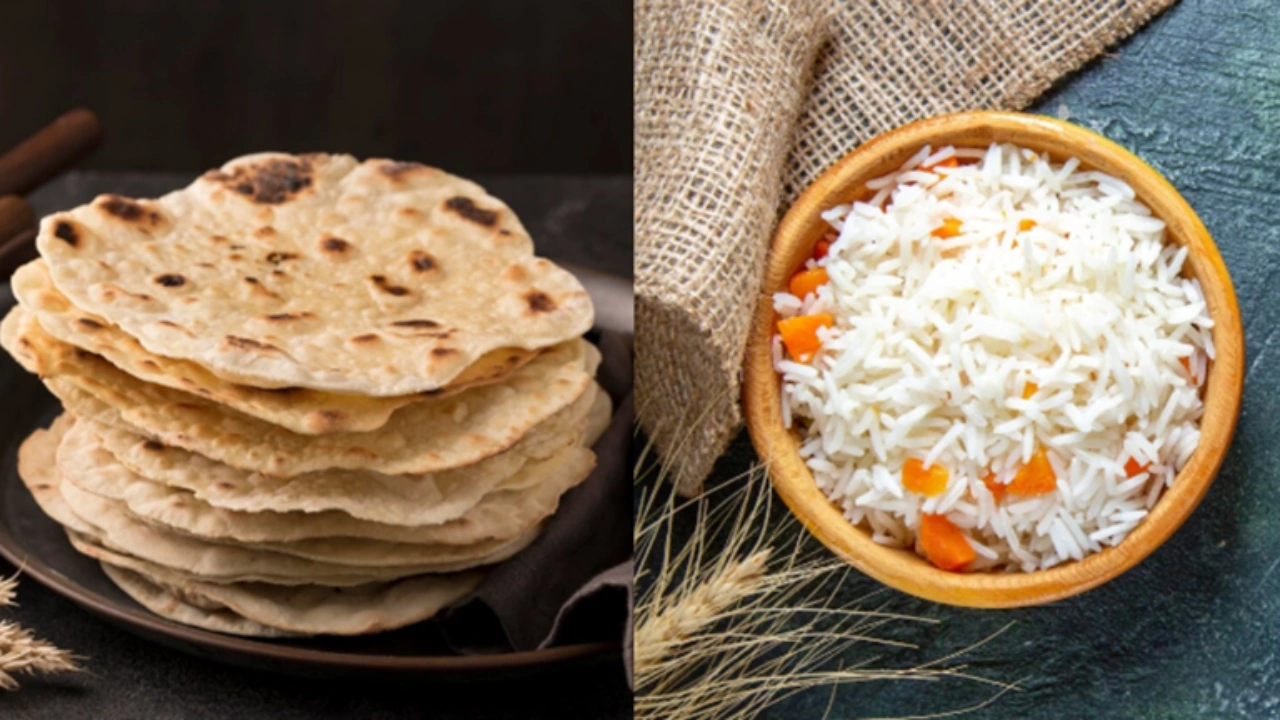
Health Tips: Dinner habits have always been a topic of debate in many households, especially in countries where rice and roti are staple foods. Some people believe eating rice at night leads to weight gain, while others argue that roti is lighter and healthier before bedtime. But is this belief supported by nutrition science? The truth is that both rice and roti can be part of a healthy dinner depending on portion size, lifestyle, and individual health goals.
Understanding the nutritional value of both foods can help you decide which option suits your body better at night.
Nutritional Comparison of Rice and Roti
Rice and roti are both sources of carbohydrates, which provide energy to the body. However, they differ slightly in their nutritional profiles.
Rice is typically easier to digest because it contains less fiber, especially if it is white rice. It is also lighter in texture and cooks quickly. Because of this, many people find rice easier on the stomach at night.
Roti, which is made from whole wheat flour, contains more fiber and protein than white rice. The fiber helps in digestion and keeps you full for longer periods. Whole wheat also provides essential nutrients such as iron, magnesium, and B vitamins.
However, the calorie difference between the two is not very large. One medium roti usually contains around 70–80 calories, while a small serving of cooked rice may contain roughly the same amount depending on the portion size.
This means that portion control plays a bigger role in health than simply choosing rice or roti.
Is Rice Really Bad at Night?
One of the most common myths is that eating rice at night causes weight gain. In reality, weight gain depends on total daily calorie intake rather than the timing of a specific food.
Rice can actually be a good dinner option because it is easy to digest and may help the body relax. Since dinner is usually eaten closer to bedtime, lighter foods that do not strain digestion can be beneficial.
Some nutrition experts suggest that rice may even help promote better sleep because it contains carbohydrates that influence serotonin levels, a hormone linked to relaxation.
However, overeating rice or pairing it with heavy, oily dishes may cause discomfort and increase calorie intake. In such cases, the problem lies in the meal composition rather than the rice itself.
Why Some People Prefer Roti at Night
Roti is often considered the healthier dinner option because of its fiber content. Fiber slows down digestion and helps regulate blood sugar levels. This makes roti a good choice for people who want steady energy release and better satiety.
For individuals trying to manage weight or control blood sugar, whole wheat roti may provide more balanced nutrition compared to white rice.
Another advantage is that roti pairs well with protein-rich foods such as lentils, vegetables, or paneer. This combination can create a more balanced meal that keeps you full longer.
Still, if someone eats multiple rotis with heavy gravies, the calorie intake can quickly rise. Therefore, moderation remains important regardless of the choice.
The Role of Lifestyle and Activity Level
Your lifestyle plays a major role in deciding whether rice or roti is better for dinner.
People who are physically active during the day may benefit from rice because it provides quick energy and is easily digested. On the other hand, individuals with a sedentary lifestyle may prefer roti because its fiber helps maintain fullness and prevents overeating.
Age and metabolism also matter. Younger individuals with faster metabolism can comfortably digest either food, while older adults may find lighter meals like rice easier on the stomach at night.
Those with digestive issues such as acidity or bloating sometimes feel better after eating rice rather than heavy wheat-based foods.
Portion Size Matters the Most
Instead of worrying about whether rice or roti is better, focusing on portion size is far more important. Eating a balanced dinner that includes vegetables, protein, and moderate carbohydrates is key to maintaining good health.
For example, a healthy dinner plate could include:
-
One small bowl of rice or two small rotis
-
A serving of lentils or beans
-
Cooked vegetables or salad
-
A source of protein such as paneer, tofu, or yogurt
This type of balanced meal supports digestion and provides essential nutrients without excessive calories.
Health Conditions May Influence the Choice
Certain health conditions can affect which option is better at night.
People with diabetes often benefit from whole wheat roti because the fiber slows down sugar absorption. However, brown rice can also be a healthier alternative to white rice.
Those with digestive sensitivity might prefer rice because it is lighter and less likely to cause bloating.
Individuals trying to lose weight should focus on overall calorie balance, physical activity, and meal timing rather than eliminating rice or roti entirely.
The Final Verdict
The debate between rice and roti at night is largely based on personal preference and dietary habits rather than strict health rules. Both foods can be healthy if eaten in moderation and paired with nutritious side dishes.
Rice is lighter and easier to digest, making it suitable for people who prefer a simple dinner. Roti provides more fiber and may help maintain fullness for longer periods.
Ultimately, the healthiest dinner is one that is balanced, moderate in portion, and aligned with your body’s needs. Instead of labeling foods as good or bad, it is wiser to focus on balanced nutrition and mindful eating habits.
A well-planned dinner—whether it includes rice or roti—can support good digestion, stable energy levels, and better overall health.
About the Author