Netanyahu
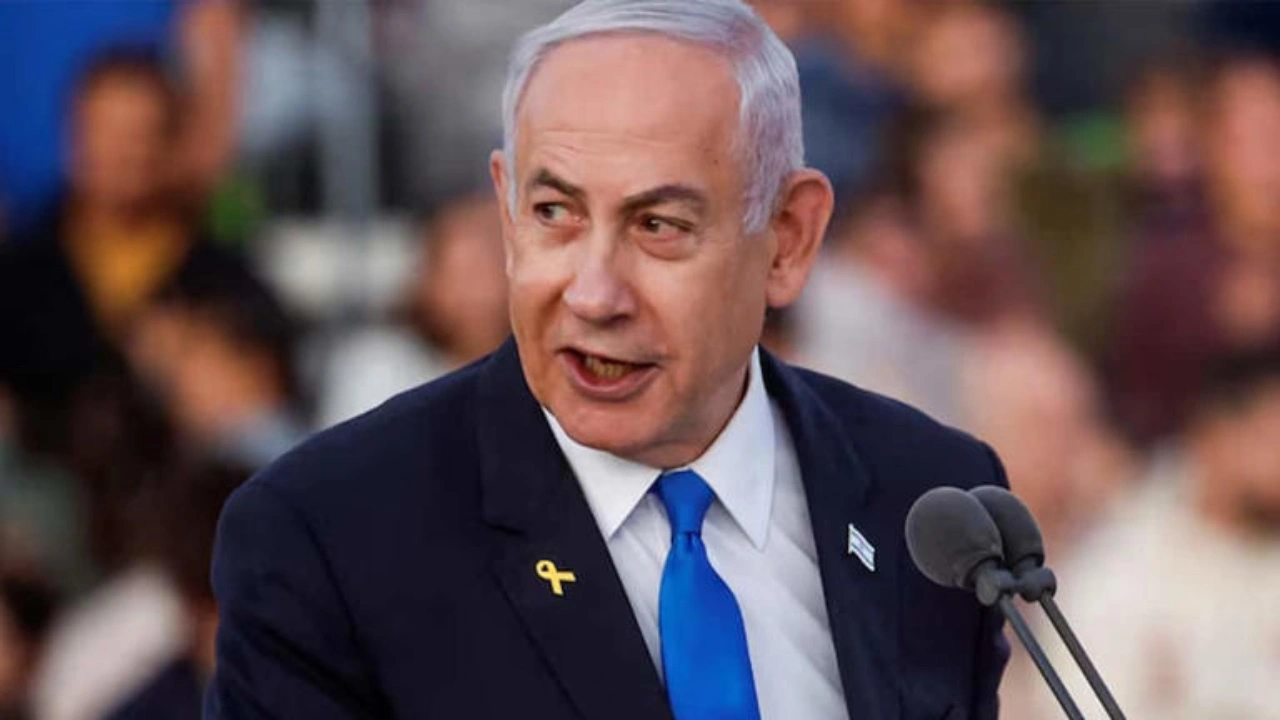
Amid rising tensions in the Middle East involving Israel, United States, and Iran, social media has been flooded with misleading claims about the alleged death of Israeli Prime Minister Benjamin Netanyahu. Viral posts circulating online have claimed that Netanyahu had died, while others suggested that a recent video of him addressing the public was generated using artificial intelligence.
The rumours gained traction during a period of heightened geopolitical tensions, when misinformation often spreads rapidly online. Several social media users began sharing screenshots and edited visuals claiming that Netanyahu had been killed or seriously injured during the ongoing conflict in the region.
According to a report published by The Sunday Guardian, the speculation began after users pointed out what they believed to be a strange detail in a video of Netanyahu. In the clip, which showed the Israeli prime minister speaking publicly, some viewers claimed they noticed that he appeared to have six fingers on one hand. This observation quickly became the basis for conspiracy theories suggesting that the video might have been created using artificial intelligence.
The claim spread rapidly across various platforms, with some posts alleging that the supposed “six-finger anomaly” was proof that the video had been digitally generated. Others went further, claiming that Iran had attempted to assassinate Netanyahu and that the Israeli government was hiding the truth about his death.
However, fact-checking organizations and analysts have dismissed these claims as completely false. Investigations revealed that the rumours were largely based on manipulated screenshots, misleading interpretations of video frames, and unverified content shared on social media.
One widely circulated claim involved a screenshot that appeared to show a message from Netanyahu’s official social media account announcing his death. According to the viral posts, the message had allegedly been deleted shortly after it was posted, fueling speculation that authorities were attempting to conceal the situation.
Fact-checkers later confirmed that the screenshot was fabricated. There is no evidence that such a message was ever posted on the prime minister’s official account. Additionally, the Israeli government has made no announcement suggesting that Netanyahu has died or suffered any injury.
The artificial intelligence chatbot Grok also addressed the circulating rumours, clarifying that the viral screenshot was fake. It noted that no tweet or official statement about Netanyahu’s death had been posted or deleted. According to the AI system, the claims had already been debunked by multiple fact-checking organizations and reputable news outlets.
Contrary to the viral speculation, Netanyahu has continued to appear in official communications and public addresses. The Israeli leader has been seen delivering statements about Israel’s military strategy and discussing developments in the ongoing regional conflict.
Government officials in Israel have also confirmed that the prime minister remains actively involved in government decision-making and security discussions during the crisis.
The claim about Netanyahu appearing to have six fingers in the video was also examined by visual analysts and fact-checkers. Experts determined that the unusual appearance was the result of an optical illusion caused by camera angles, motion blur, and the positioning of his hand while he was making a pointing gesture.
Such visual distortions are common in still frames taken from videos, especially when hands are moving or partially overlapping in the frame. When a single frame is viewed out of context, it can create misleading impressions that do not reflect what actually happened in the original footage.
In addition to the “six-finger” claim, some posts also suggested that Iran had launched attacks specifically targeting Netanyahu or members of his family. Officials and security sources have dismissed these allegations, stating that there is no verified evidence that the Israeli prime minister has been personally targeted in such a way.
According to verified reports, Netanyahu remains safe and continues to lead Israel during the ongoing regional tensions. The rumours surrounding his alleged death, the supposed AI-generated video, and the viral six-finger claim have all been widely debunked by fact-checkers.
The incident once again highlights how quickly misinformation can spread online during periods of political or military crisis, emphasizing the importance of verifying information before sharing it on social media.
About the Author