Harish Rana
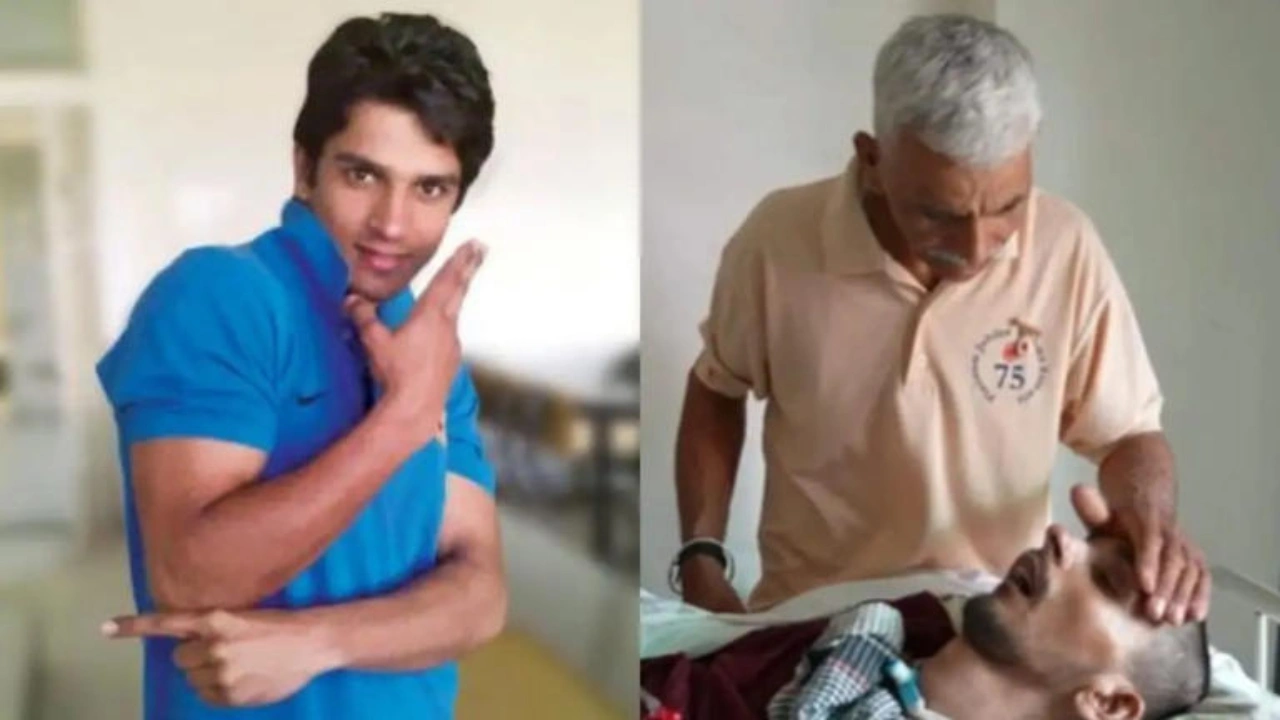
New Delhi: For the past 13 years, life has remained frozen for Harish Rana. The Delhi resident has been in a permanent vegetative state since suffering a severe fall in 2013 and has since depended on medical tubes for breathing and nutrition. On Wednesday, the Supreme Court of India is set to deliver a crucial verdict on whether his life-support treatment can be withdrawn — a decision that may determine if he is granted the right to die with dignity.
Rana’s parents, who have spent years caring for their son with fading hope, approached the court seeking permission for passive euthanasia. A bench comprising Justices JB Pardiwala and KV Viswanathan had reserved its verdict on January 15, 2026, after reviewing medical reports stating that the chances of his recovery were extremely low. The judgment is scheduled to be delivered today.
If the court allows the withdrawal of life-sustaining treatment, Rana’s case could become one of the first major instances of court-approved passive euthanasia in India since the right to die with dignity was recognised by the Supreme Court in 2018.
What Happened to Harish Rana
The tragic incident occurred on August 20, 2013, during the festival of Rakhi. At the time, Rana was a civil engineering student at Chandigarh University. He fell from the fourth-floor balcony of his paying guest accommodation, suffering severe head injuries that left him completely disabled.
Doctors later confirmed that he was unable to open his eyes or move his limbs after the accident. Since then, he has remained in a permanent vegetative state and has been undergoing long-term treatment at the All India Institute of Medical Sciences in New Delhi.
Family’s Struggle Over the Years
The prolonged treatment has placed an immense emotional and financial burden on the family. Rana’s parents, who also have two other children, were forced to sell their house in Delhi’s Mahavir Enclave to manage medical expenses. They later moved to Ghaziabad so they could remain close to the hospital where their son continues to receive care.
A Long Legal Battle
As hopes of recovery diminished, the family approached the Delhi High Court in July 2024 seeking permission for passive euthanasia — the withdrawal of life-sustaining treatment in cases of irreversible medical conditions. However, the court rejected the plea, noting that Rana was not dependent on a mechanical ventilator. He was able to breathe through a tracheostomy tube and receive nutrition through a gastrostomy tube.
The parents then moved the Supreme Court of India in November 2024. At the time, the bench led by former Chief Justice DY Chandrachud also declined permission, observing that Rana was not entirely dependent on life-support machines. However, the court directed the government to explore possible support arrangements for his treatment and accommodation.
In December 2025, the family once again approached the Supreme Court, arguing that Rana’s condition had deteriorated further and that he was being kept “artificially alive” despite having virtually no chance of recovery.
Now, the nation awaits the court’s decision, which could have far-reaching implications for India’s legal and ethical debate on the right to die with dignity.
About the Author