Fuel Crisis
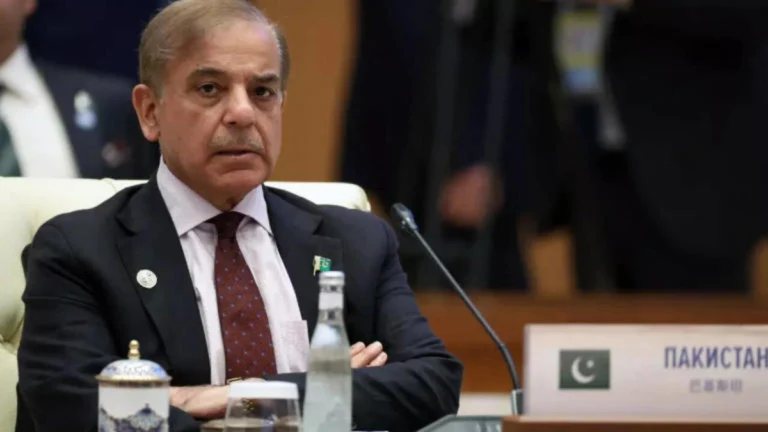
Pakistan is facing a near lockdown-like situation as the government rolls out emergency measures to deal with rising fuel prices triggered by escalating tensions in the Middle East. Prime Minister Shehbaz Sharif on Monday announced sweeping restrictions aimed at conserving energy after global oil prices crossed USD 100 per barrel.
The measures come amid heightened geopolitical tensions involving the United States, Iran, and Israel, which have disrupted global energy markets and created uncertainty across the region.
Schools shut, offices move to shorter work week
Speaking to the media, Sharif said several steps were necessary to reduce fuel consumption across the country.
“To save fuel, government offices—except banks—will remain open only four days a week,” the prime minister said. He also announced that schools across the country will remain closed for two weeks.
Meanwhile, higher education institutions will shift to online learning between March 16 and March 31.
In addition, the government has instructed departments to allow half of their workforce to work from home. “Apart from essential services, 50 percent of staff in government departments will work from home to save fuel,” Sharif said.
Government cuts fuel use and salaries
The Pakistani government also introduced a series of austerity measures aimed at reducing fuel consumption and government spending over the next two months.
Fuel allowances for government vehicles will be cut by 50 percent, while around 60 percent of official vehicles used by federal and provincial offices will remain off the roads. However, operational vehicles such as ambulances and public transport buses will be exempt from these restrictions.
Cabinet members at both federal and provincial levels have also agreed to forego their salaries and allowances for two months. Meanwhile, lawmakers’ salaries will be reduced by 25 percent during the same period.
Senior government officers earning Rs 300,000 or more per month will also contribute by giving up two days’ salary. However, officials working in the health and education sectors will be exempt from the pay cut.
Spending restrictions across government departments
The government has also announced significant reductions in non-essential expenditures.
Non-employee-related spending in federal and provincial offices will be cut by 20 percent in the fourth quarter. Additionally, purchases of new vehicles, furniture, air conditioners, and other equipment for government departments have been banned until June 2026.
Authorities have also banned official dinners and iftar parties in an effort to limit unnecessary spending and fuel consumption.
To further reduce travel-related fuel usage, ministers and senior officials will face restrictions on foreign trips unless deemed essential in the national interest. Government meetings will increasingly be conducted through teleconferencing, and seminars or conferences will be organized at government venues instead of hotels.
Strait of Hormuz crisis behind fuel shortage
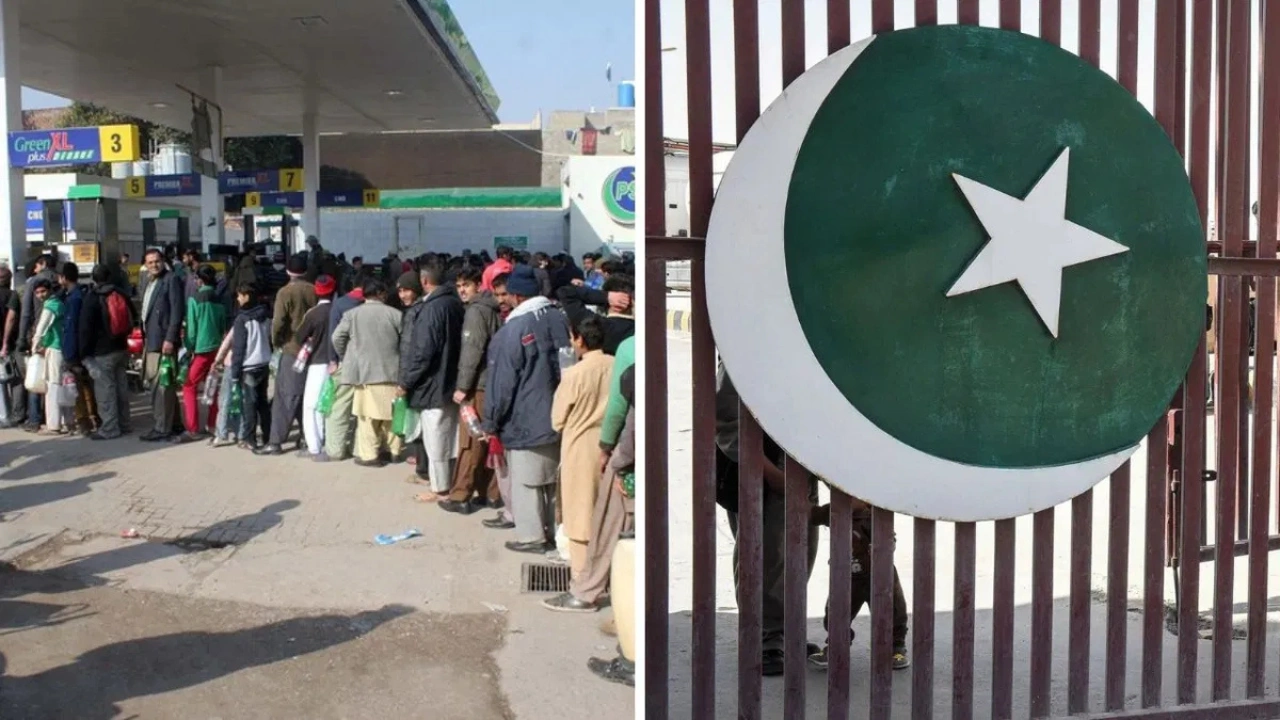
The drastic measures come as Pakistan struggles with a growing fuel shortage linked to instability in the Strait of Hormuz.
The shipping corridor is one of the world’s most critical oil transit routes, and tensions related to the ongoing conflict have disrupted supplies passing through the region. Pakistan relies heavily on oil shipments that travel through this route.
As a result, the government recently announced a massive increase in petrol prices.
During a late-night press conference attended by Petroleum Minister Ali Pervaiz Malik, Deputy Prime Minister Ishaq Dar, and Finance Minister Muhammad Aurangzeb, authorities confirmed the largest petrol price hike in Pakistan’s history.
Record petrol price hike shocks public
The price of petrol was raised by 55 Pakistani rupees per litre—approximately ₹18 in Indian currency. The move marks the biggest single increase in fuel prices ever recorded in the country.
Diesel prices have also surged sharply. High-speed diesel, previously priced at PKR 280.86 per litre, has now climbed to PKR 335.86 per litre for the upcoming week, representing an increase of nearly 20 percent.
Speaking about the crisis, Petroleum Minister Ali Pervaiz Malik warned that the situation remains unpredictable.
“The fire that started in a neighboring country has spread across the entire region. We do not know how long this crisis will last, and there is no definite timeline for when it will end,” Malik said.
With rising fuel costs and uncertainty in global energy supply, Pakistan’s government is now focused on conserving resources while bracing for the economic impact of the ongoing regional crisis.
About the Author