UAE Envoy
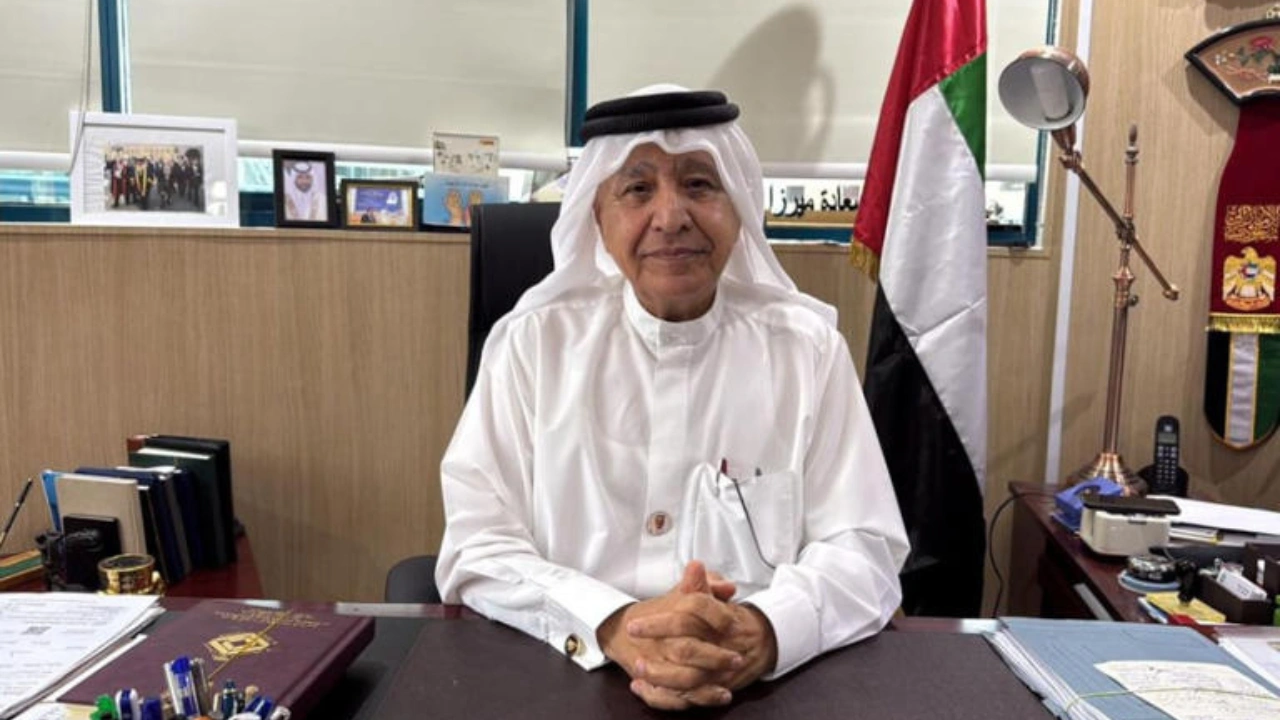
UAE Envoy: Amid the escalating tensions between Iran and Israel, a senior diplomat from the United Arab Emirates has suggested that Indian Prime Minister Narendra Modi could potentially play a crucial role in easing the conflict. Hussain Hassan Mirza, the UAE’s first ambassador to India, said that the Indian leader’s influence and credibility in the region could help bring both sides closer to dialogue.
Speaking in an interview with NDTV, Hussain Hassan Mirza made it clear that the UAE does not wish to be drawn into the ongoing confrontation between Iran and Israel. He stressed that Abu Dhabi is committed to maintaining neutrality and will not allow its territory to be used by any side for military purposes.
“To be honest, I’m not sure why we are involved. There is no reason for the UAE to be involved in this conflict,” Mirza said, emphasizing that the country prefers diplomacy and dialogue over military engagement.
UAE’s Delicate Geopolitical Position
The UAE occupies a unique and delicate position in the Middle East. On one hand, it shares geographical proximity and historical ties with Iran. On the other hand, it has developed formal diplomatic relations with Israel through the landmark Abraham Accords.
This dual relationship, according to Mirza, places the UAE in a potentially constructive role when it comes to mediating between the two sides. He suggested that because the UAE maintains channels of communication with both countries, it could help facilitate negotiations aimed at reducing tensions.
#NDTVExclusive | “No reason for UAE for being involved in this. I’m totally confident that one phone call from Mr Modi to counterparts in Israel and Iran can solve this issue”: Hussain Hassan Mirza, First UAE Envoy to India, to @tejshreethought on the ongoing tensions in Middle… pic.twitter.com/St8zDYx8sc
— NDTV (@ndtv) March 9, 2026
“We are neighbours to Iran and partners with Israel. That gives us the ability to talk to both sides and possibly negotiate between them,” he explained.
Modi’s Influence in the Region
During the discussion, Mirza also highlighted the growing diplomatic influence of Prime Minister Narendra Modi across the Gulf region and beyond. According to him, Modi enjoys strong respect not only among political leaders in the Middle East but also among the general public and business communities.
He suggested that this reputation could enable Modi to act as a bridge between the rival nations. “One phone call from Mr. Modi to his counterparts in Iran and Israel can solve this issue. One phone call,” Mirza said.
The diplomat explained that the Indian prime minister has built trust with both sides over the years, which could help him play the role of a neutral mediator. He described Iran and Israel as “warriors” currently engaged in a conflict that has broader implications for regional stability.
“They are fighting each other on our soil. That is unacceptable,” Mirza added, referring to the wider Middle East region that could face severe consequences if the conflict continues to escalate.
A Diplomatic, Not Military Perspective
Mirza clarified that his comments were purely from a diplomatic perspective. He emphasized that he is not a military expert and therefore prefers to focus on political solutions rather than battlefield developments.
“I am not a military guy,” he said, while noting that, based on available information, the damage caused so far in certain areas appears limited compared with what could have been expected in a full-scale conflict.
His remarks reflect the UAE’s broader foreign policy approach, which often emphasizes diplomacy, economic cooperation, and regional stability.
Conflict Continues Despite Leadership Change in Iran
Meanwhile, the conflict between Iran and Israel has shown little sign of slowing down. Even the transition in Iran’s leadership has not halted hostilities. Following the appointment of Mojtaba Khamenei as the new Supreme Leader after the death of Ali Khamenei, military actions have continued.
Israel’s armed forces reportedly launched fresh strikes targeting locations in central Iran on Monday. At the same time, Israeli operations also hit infrastructure linked to Hezbollah in Beirut, Lebanon.
The humanitarian impact of the conflict has also grown. Iran’s ambassador to the United Nations reported that at least 1,332 civilians have been killed so far, with thousands more injured.
In addition, the United States confirmed that a seventh American soldier had died while receiving medical treatment after being injured during the ongoing crisis.
Growing Calls for Diplomatic Solutions
As the violence continues, international leaders and diplomats are increasingly calling for dialogue and mediation to prevent the situation from spiraling into a wider regional war.
Mirza’s comments underline the belief among some observers that influential global leaders—especially those with strong relations across the Middle East—could play a significant role in reducing tensions.
Whether such diplomatic efforts will materialize remains uncertain, but the suggestion that Prime Minister Modi could help mediate reflects India’s growing diplomatic presence and influence in global affairs.
About the Author