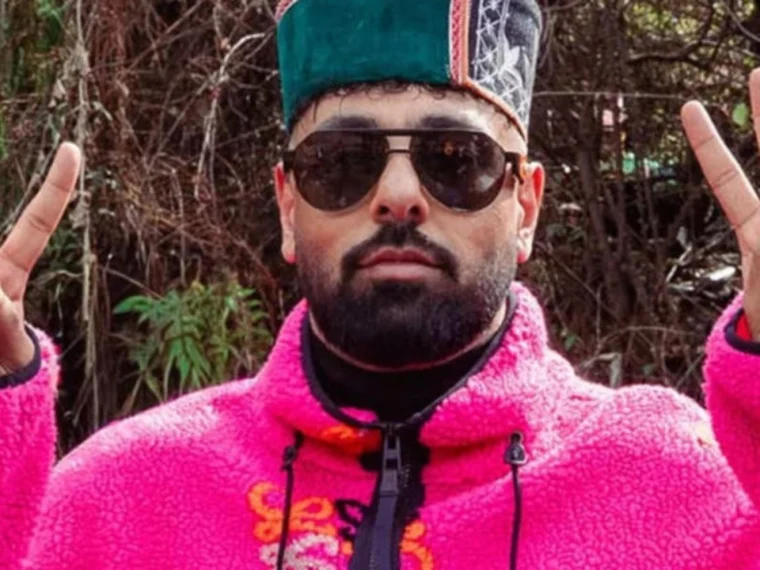
Popular rapper and singer Badshah has landed in controversy after the release of his latest Haryanvi track Tateeree. The song has drawn sharp criticism from activists and social groups, leading the Haryana State Commission for Women (HSCW) to summon the artist over allegations that the lyrics are vulgar and offensive toward women.
The rapper, whose real name is Aditya Pratik Singh Sisodia, released the track earlier this week. However, soon after its release, complaints began pouring in from various groups who claimed that the lyrics contain inappropriate language and objectify women.
Controversy over song lyrics
Critics argue that the lyrics of Tateeree contain sexually suggestive references that could negatively influence listeners, particularly younger audiences. Several complainants have described the language used in the song as indecent and disrespectful toward women.
The controversy quickly escalated after activists and social organisations formally approached the Haryana State Commission for Women, urging authorities to take action against the singer and those associated with the song’s production.
According to complainants, such content in mainstream music could promote harmful attitudes and normalize disrespectful behaviour toward women. They have also expressed concern that such songs are widely consumed by teenagers and children through digital platforms.
Women’s Commission issues summons
Taking serious note of the complaints, the Haryana State Commission for Women initiated proceedings against Badshah. HSCW chairperson Renu Bhatia confirmed that the commission had taken suo motu notice of the matter.
A formal summons was issued on March 6, directing the Panipat police administration to ensure the rapper’s presence at a hearing scheduled for March 13, 2026. The hearing will take place at 11:30 am in the Conference Hall of the DC Office in Panipat, where the commission will review the complaints and hear explanations regarding the controversial lyrics.
Officials said the proceedings aim to examine whether the content violates standards of public decency or promotes offensive representations of women.
Activists raise objections
The primary complaints were filed by social activists who strongly criticised the song’s content. Among them are Savita Arya, president of the Nari Tu Narayani Utthan Samiti in Panipat, and Shiv Kumar.
Both activists alleged that the song includes vulgar expressions and objectionable phrases that go beyond acceptable limits in public entertainment. They have called for strict action against the creators of such content and demanded stronger regulation of lyrics in music distributed on digital platforms.
According to them, songs with explicit references can have a negative impact on society and may shape unhealthy perceptions about women among young listeners.
Questions over regulatory approval
HSCW chairperson Renu Bhatia also questioned how such lyrics are able to pass regulatory scrutiny in the entertainment industry. Bhatia, who previously served as a member of the Film Censor Board for three years, said it is important to examine the approval process for songs that are released publicly.
She emphasised that content which potentially harms cultural values or public morality should be carefully evaluated before reaching large audiences.
Bhatia expressed particular concern about the influence of modern music on teenagers, noting that catchy beats and viral social media trends often make controversial songs spread quickly among younger listeners.
Debate over creative freedom vs social responsibility
The controversy surrounding Tateeree has once again sparked a broader debate about artistic freedom in the music industry. While some argue that rap music often uses provocative language as part of its storytelling style, others believe creators must remain mindful of cultural sensitivities and social responsibility.
Supporters of Badshah say music should be treated as a form of artistic expression and not subjected to excessive censorship. Critics, however, insist that artists with large followings must ensure their work does not promote harmful stereotypes.
So far, Badshah has not issued any public response regarding the summons or the allegations against his song. The upcoming hearing before the Haryana State Commission for Women is expected to bring more clarity on the matter.
The outcome of the case could also influence future discussions around regulating explicit content in Indian music, particularly as songs continue to gain massive reach through streaming platforms and social media.