Fake Iran War Videos
As global tensions rise due to the ongoing confrontation involving the United States, Israel, and Iran, social media has once again become a battleground for information and misinformation. Recently, the social media platform X revealed that a man from Pakistan had allegedly hacked dozens of accounts to spread misleading content related to the conflict.
According to officials from the platform, the individual was running a coordinated network of accounts that shared AI-generated videos and recycled war footage while presenting them as real scenes from the battlefield.
31 Accounts Used to Spread AI War Content
The revelation came from Nikita Bier, who said that the platform had detected suspicious activity linked to a single individual managing multiple accounts.
Bier explained that the user had taken control of 31 hacked accounts and used them to post videos and images portraying dramatic war scenes. These clips were presented as if they were genuine footage from the ongoing conflict between the United States, Israel, and Iran.
“Last night, we found a guy in Pakistan that was managing 31 accounts posting AI war videos,” Bier said while discussing the issue.
According to him, the accounts had been hacked earlier and their usernames were changed around February 27 to names like “Iran War Monitor” or similar variations. By doing so, the person attempted to make the accounts appear like legitimate news monitoring pages focused on the Middle East conflict.
Social Media Flooded With Conflict Narratives
Whenever major global conflicts occur, social media platforms tend to be flooded with images and videos claiming to show real-time developments from war zones. Many users rely on such content to understand what is happening on the ground.
However, experts say that misinformation spreads rapidly during these situations because dramatic visuals are often shared without verification. This pattern has once again emerged during the ongoing tensions involving Iran, United States and Israel.
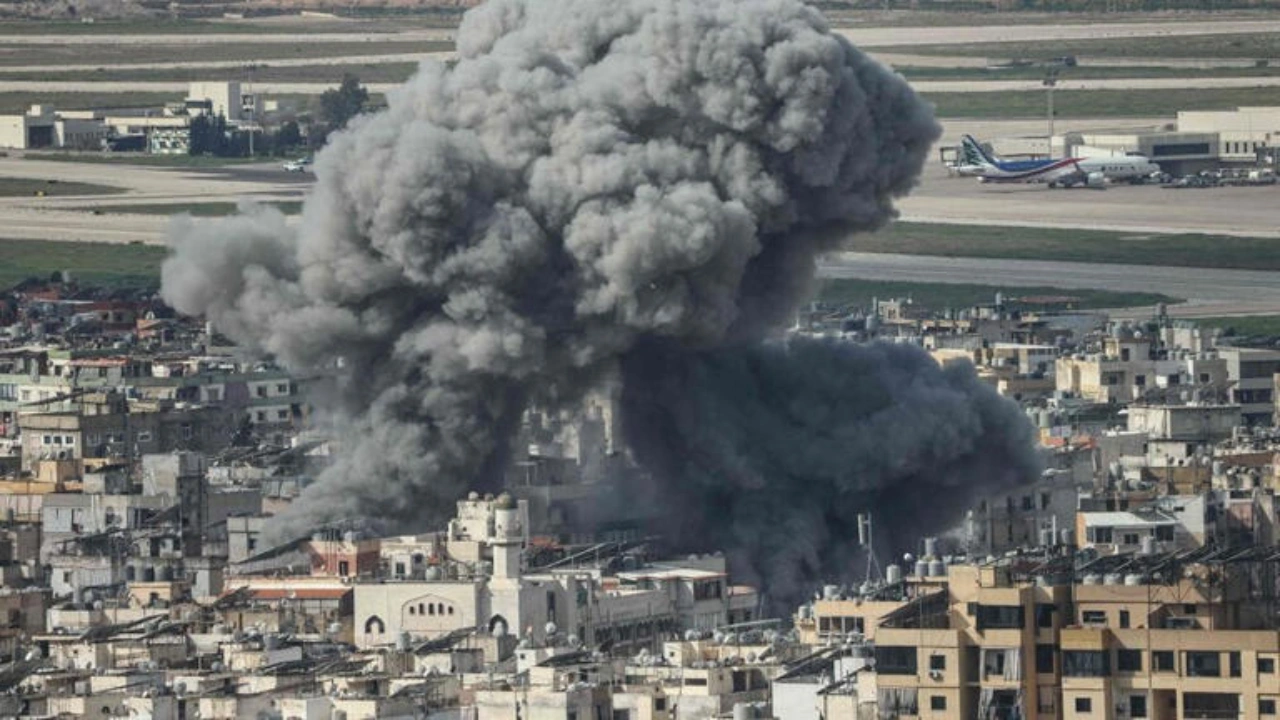
Since the recent strikes and retaliatory actions began in the region, social media has been filled with AI-generated clips and recycled videos falsely claiming to show explosions, missile launches, or destruction in various cities.
These misleading posts can influence public perception and sometimes create panic among audiences who believe they are watching authentic war footage.
Platforms Increasing Efforts to Detect Manipulation
Bier noted that X has been improving its systems to detect coordinated misinformation campaigns more quickly. The platform is working on identifying suspicious activity, including hacked accounts and artificially generated videos, to limit their spread.
He also mentioned that the company had recently blocked a wave of bot accounts believed to be linked to Iranian networks attempting to influence online discussions.
The rise of generative artificial intelligence tools has made it easier than ever to create convincing fake videos or images. As a result, technology companies are facing increasing pressure to identify manipulated content before it reaches millions of viewers.
Fact-Checkers Debunk Viral Claims
Independent fact-checking organisations have also been actively monitoring misleading content related to the conflict. Journalists and researchers from Agence France-Presse have reportedly debunked several viral posts shared by pro-Iran accounts that used old footage to claim new missile strikes in cities across the Middle East.
Some of these posts falsely suggested that Iran had launched major missile attacks on countries such as the UAE and Saudi Arabia, even though the videos were from unrelated past events.
Experts believe such posts are part of a broader information war taking place online alongside the real-world conflict.
A Growing “Narrative War” Online
According to Moustafa Ayad from the Institute for Strategic Dialogue, the internet is witnessing a major narrative battle between different groups trying to shape global perception of the conflict.
“There is definitely a narrative war unfolding online,” Ayad said while speaking to AFP. He added that such campaigns aim either to justify military actions or to exaggerate the strength of one side.
Researchers have also noted that misinformation is not limited to supporters of one side. Some opposition media outlets and social media networks have spread false claims blaming certain incidents on governments without credible evidence.
Disinformation in Modern Conflicts
The use of misinformation campaigns during conflicts is not new. Similar tactics have been observed in recent years in wars and crises around the world, including the conflicts in Ukraine and Gaza.
Experts warn that as artificial intelligence tools become more advanced, distinguishing real footage from manipulated content will become increasingly difficult for ordinary users.
For this reason, analysts advise people to rely on trusted news sources and verified information before sharing or believing viral war footage circulating on social media.
The recent case involving hacked accounts highlights how easily online platforms can be used to amplify false narratives during times of global tension.
About the Author