Karachi Consulate Breach
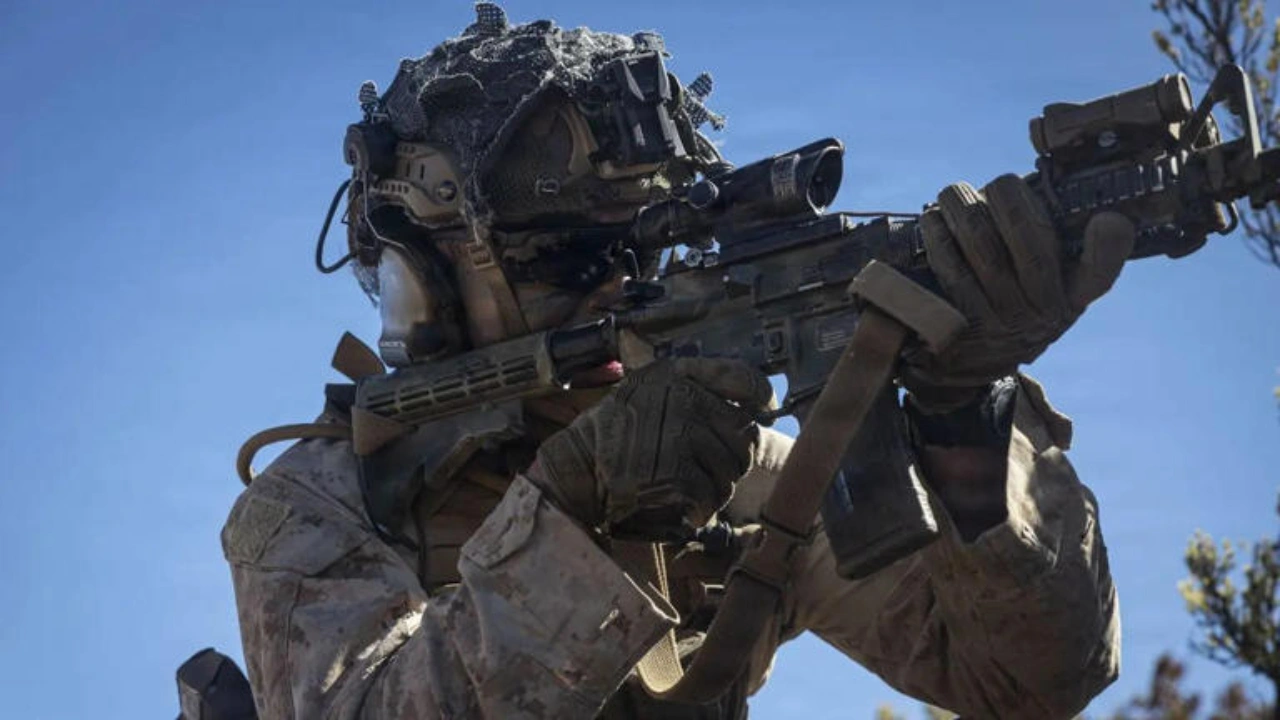
Karachi Consulate Breach: Violent protests in Karachi escalated into bloodshed after demonstrators stormed the perimeter of the United States Consulate Karachi, prompting US Marine Security Guards to open fire from inside the compound.
The unrest erupted following reports of the killing of Iran’s Supreme Leader Ali Khamenei in alleged joint American-Israeli strikes — claims that inflamed tensions across Pakistan, which has one of the world’s largest Shia populations.
From Demonstration to Direct Breach
Eyewitnesses said protesters initially gathered outside the diplomatic mission chanting anti-American slogans before breaching the outer security wall. According to officials cited by Reuters, the situation spiraled when the crowd crossed the security threshold.
Two American officials confirmed that Marine Security Guards opened fire after protesters penetrated deeper into the compound. A local police official stated that gunfire originated from inside the premises, though it remains unclear whether local law enforcement or private security contractors also discharged weapons.
At least 10 people were reported dead in Karachi alone, while nationwide fatalities climbed to 26 as demonstrations spread to other cities. The United States Department of State has not issued an immediate statement on the incident.
Why Marines Fired: Inside the Security Framework
US diplomatic missions operate under a strict, multi-layered security architecture supervised by Regional Security Officers.
-
Outer Layer: Managed by host-nation police and contracted local guards responsible for crowd control and perimeter security.
-
Inner Layer: Protected by Marine Security Guards tasked with defending classified materials, secure communications zones and US personnel.
-
Technical Defences: Reinforced barriers, surveillance systems, alarm networks and electronic access controls.
Marine Security Guards are not deployed for external crowd management. Their engagement suggests protesters moved beyond the outer buffer into restricted zones, triggering defensive protocols. Under US security doctrine, lethal force may be used if an intrusion poses an immediate threat to life or sensitive facilities — though such measures are considered rare.
Investigations are ongoing to determine the sequence of events and whether Marine fire directly caused casualties.
Nationwide Tensions Rise
The violence in Karachi quickly spread, prompting authorities to ban large public gatherings and tighten security around US installations in Lahore and Islamabad.
Prime Minister Shehbaz Sharif has yet to publicly address the consulate incident. Meanwhile, Pakistan Army Chief Asim Munir faces growing pressure as Islamabad navigates domestic unrest alongside its strategic relationship with Washington.
Authorities continue to assess the security breach and its broader diplomatic implications.
About the Author