Michael Jackson
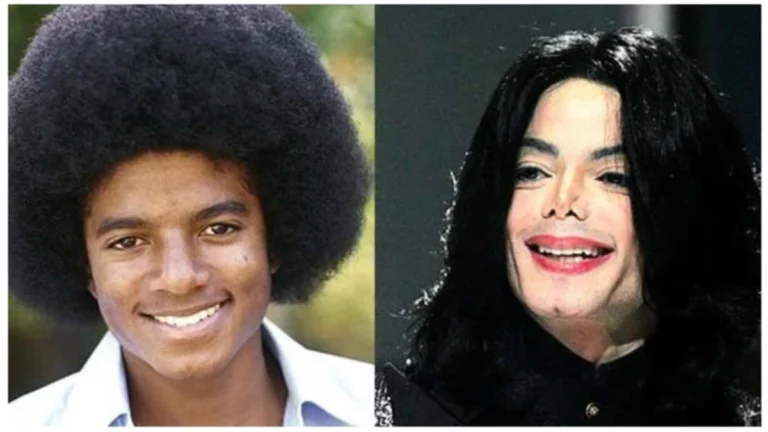
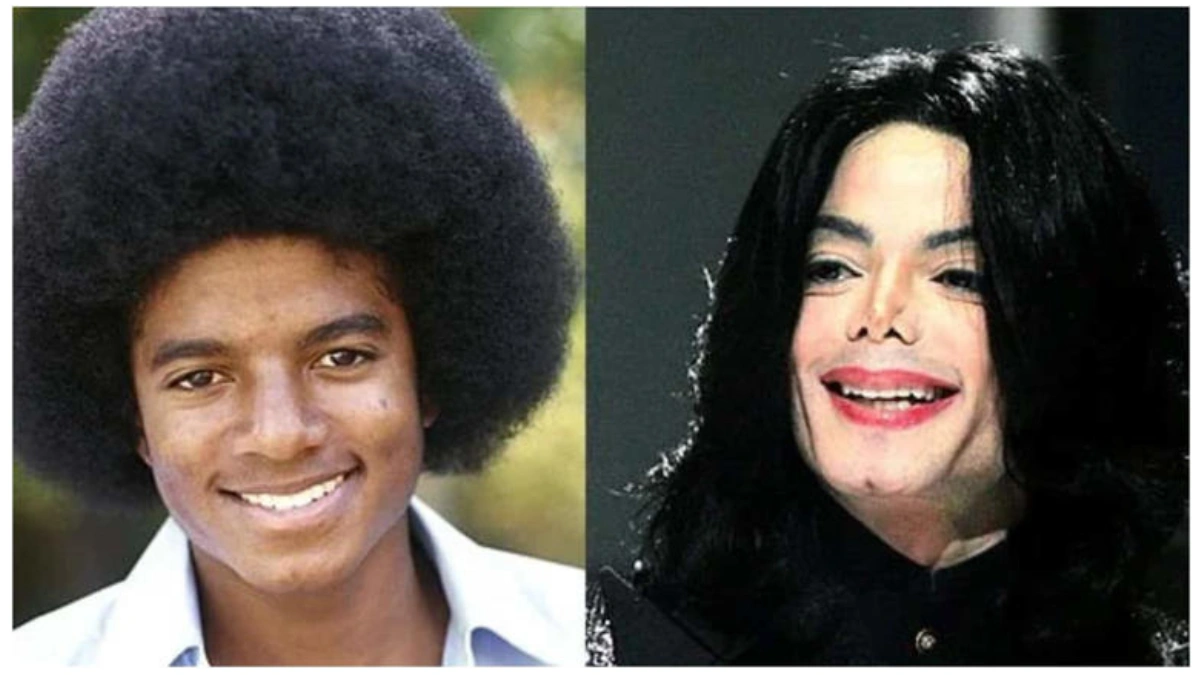
Few global stars have experienced the level of scrutiny over their appearance that Michael Jackson did throughout his life. Decades before social media amplified discussions around beauty standards and cosmetic procedures, the King of Pop’s changing looks were constantly under the spotlight. His facial transformations became a frequent topic in tabloids, television shows, and public debate, often overshadowing his groundbreaking musical achievements.
With renewed interest sparked by the upcoming biopic Michael, curiosity has once again turned toward what Jackson himself said about plastic surgery and the persistent rumors surrounding it.
In his 1988 autobiography Moonwalk, Jackson directly addressed the speculation about his appearance. He acknowledged undergoing two rhinoplasty procedures (nose surgeries) and also mentioned adding a cleft to his chin. However, he firmly denied undergoing the extensive cosmetic reconstruction that many believed. According to him, the majority of claims circulating in the media were exaggerated or entirely false.
Jackson maintained this stance in later years as well. During his widely watched 1993 interview with Oprah Winfrey, he again rejected rumors of multiple facial surgeries. He responded to claims about altered eyes, cheekbones, and lips by stating that such reports were untrue. In a memorable remark, he said the number of procedures he had undergone could be counted “on two fingers,” reinforcing his position that the reality was far less dramatic than public perception suggested.
Interestingly, Jackson did not present his nose surgeries as purely cosmetic decisions. In several interviews, he explained that the procedures had functional benefits as well. He claimed that improving his breathing allowed him better control over his voice, potentially helping him reach higher notes. This explanation added a new dimension to the conversation, suggesting that his choices may have been influenced by both health and professional considerations.
Another major point of controversy throughout Jackson’s life was the noticeable change in his skin tone. As his complexion became lighter over the years, speculation grew that he had intentionally altered his appearance. Jackson consistently denied these accusations. He explained that he was diagnosed with vitiligo, a condition that causes patches of skin to lose pigment.
According to Jackson, the uneven skin tone caused by vitiligo led him to use makeup to create a more uniform appearance. He emphasized that this was not an attempt to change his racial identity but rather a way to manage a medical condition. After his death, reports, including his autopsy, confirmed that he indeed had vitiligo, lending credibility to his statements.
Jackson also strongly rejected the idea that he wanted to distance himself from his identity. In interviews, he made it clear that he was proud of his heritage, stating that he was a Black American and had no desire to change that. These remarks were part of his effort to counter years of speculation and criticism regarding his self-image.
Despite his repeated explanations, skepticism from the public and media never fully disappeared. Over time, photographs and public appearances seemed to show significant changes in his facial structure, leading many observers, including medical professionals, to speculate that he may have undergone more procedures than he admitted. Reports following his death also mentioned surgical scars, scalp treatments, and cosmetic tattooing, further fueling debate about the extent of his transformations.
However, beyond the rumors and controversies, there was a deeply personal side to Jackson’s story. He often spoke about his struggles with self-esteem and the emotional impact of growing up in the public eye. Jackson revealed that he was frequently teased about his appearance during childhood, including by his own father. These experiences, combined with the pressures of global fame and constant media attention, likely influenced how he viewed himself.
Many biographers and analysts believe that these early experiences and the relentless scrutiny he faced contributed to his decisions regarding his appearance. Rather than viewing his story solely through the lens of celebrity gossip, they suggest it reflects broader issues of identity, self-image, and the psychological impact of fame.
In the end, Michael Jackson’s legacy extends far beyond discussions of his looks. While his appearance may have sparked endless debate, his contributions to music, dance, and popular culture remain unparalleled. His story also serves as a reminder of the human side of fame—where personal struggles often unfold under the harshest public spotlight.
About the Author