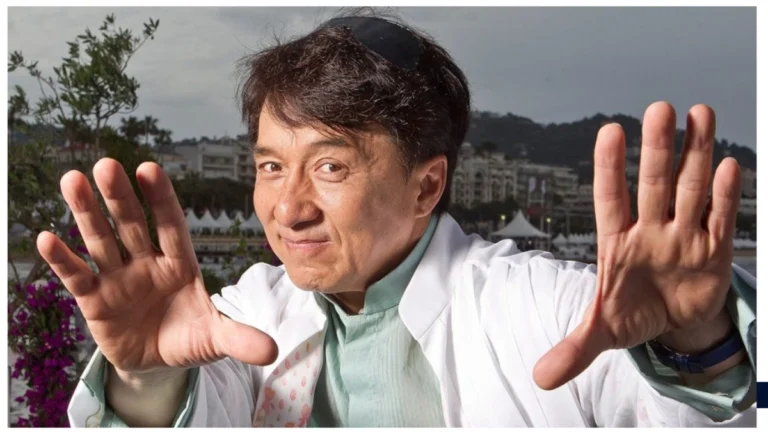
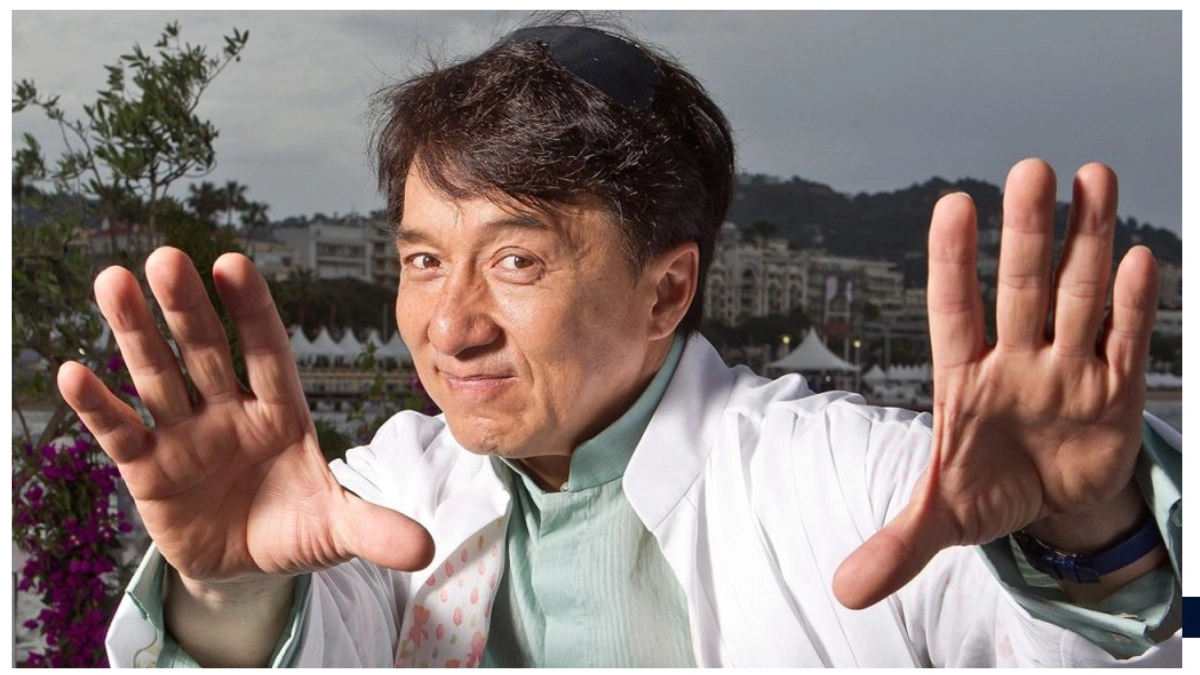
Jackie Chan
After the death of Bruce Lee in 1973, the Asian film industry saw a surge in imitation films. Producers across Hong Kong, Taiwan, and South Korea cast lookalike actors to replicate Lee’s style, giving rise to the “Bruceploitation” era. But one rising performer refused to follow that path—Jackie Chan.
Chan made it clear from early on that he didn’t want to replace Bruce Lee. Instead, he wanted to create his own identity. While Lee’s legacy, built through films like Enter the Dragon, redefined global action cinema with intensity and power, Chan leaned in a completely different direction.
At the beginning of his career, Chan was pushed into roles that mirrored Lee’s serious persona, such as in New Fist of Fury (1976). However, these performances failed to connect with audiences. Unlike Lee’s calm and dominant screen presence, Chan embraced humor, vulnerability, and expressive storytelling—qualities that would later define his success.
His breakthrough came in 1978 with films like Snake in the Eagle’s Shadow and Drunken Master. Inspired by silent-era legends like Charlie Chaplin and Buster Keaton, Chan blended martial arts with comedy. This unique mix introduced a fresh kind of action hero—one who struggled, made mistakes, and still managed to win.
Unlike traditional martial arts protagonists, Chan’s characters were often underdogs. They weren’t invincible; they survived through creativity, resilience, and quick thinking. His dedication to performing his own stunts, seen in films like Police Story (1985), added a raw authenticity that made his work stand out even more.
Comedy became a core part of his action style. Chan turned fight scenes into dynamic performances filled with rhythm, improvisation, and clever use of everyday objects. This approach sharply contrasted with Bruce Lee’s disciplined and philosophical combat techniques. By the time Rush Hour (1998), co-starring Chris Tucker, was released, Chan had successfully brought his signature style to a global audience.
As Hollywood and Hong Kong cinema began to collaborate more closely, Chan emerged as a cultural bridge. Films like Shanghai Noon and the Rush Hour series showcased his ability to merge Eastern action traditions with Western humor, making him a truly international star.
Chan’s refusal to imitate Bruce Lee ultimately became his greatest strength. He demonstrated that authenticity matters more than imitation, influencing modern action storytelling where humor, imperfection, and relatability are now widely embraced.
While Bruce Lee symbolized power and intensity, Jackie Chan redefined the action hero by proving that vulnerability, humor, and persistence could be just as powerful. His legacy continues to shape cinema, reminding audiences that heroes don’t have to be flawless—they just have to be real.
About the Author