Hidden Sodium Foods
Hidden Sodium Foods: Excess salt intake is often linked to high blood pressure, but its impact on the body goes far beyond that. Consuming too much sodium—especially above the recommended daily limit of 2,300 mg—can silently harm multiple organs, including the kidneys, brain, bones, and most importantly, the heart. In fact, high sodium intake is one of the major contributors to cardiovascular diseases such as Heart Disease, Stroke, and even Atherosclerosis.
When you consume excess sodium, your body retains more water to maintain balance. This increases blood volume, forcing the heart to pump harder. Over time, this added pressure damages blood vessels, making them stiff and narrow. These weakened areas are more prone to plaque buildup, significantly raising the risk of heart attacks and strokes.
Hidden Sources of Sodium in Your Diet
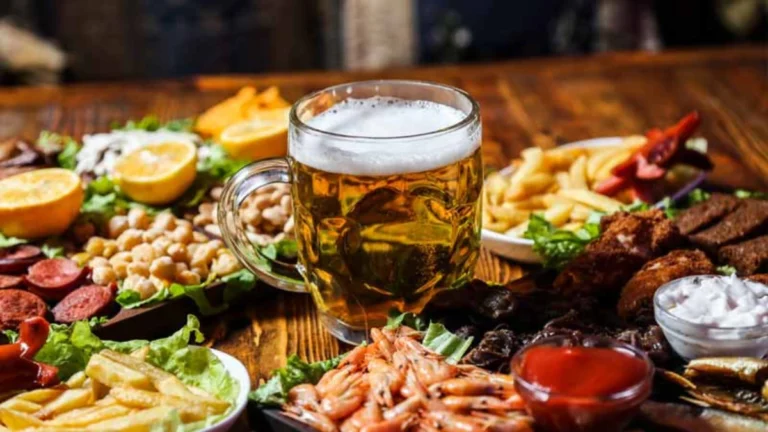
What might surprise you is that more than 70% of the sodium we consume doesn’t come from the salt we add at home. Instead, it comes from processed, packaged, and restaurant foods—many of which don’t even taste salty. Here are some common culprits:
1. Processed Foods
Frozen meals, canned soups, and processed meats like sausages or lunch meats are loaded with sodium for preservation and flavor. Even foods like instant oatmeal and breakfast cereals often contain hidden salt.
2. Condiments and Sauces
Everyday items such as ketchup, soy sauce, salad dressings, and marinades can significantly increase sodium intake. A small serving can contain a surprisingly high amount of salt.
3. Snack Foods
Popular snacks like chips, namkeen, bhujia, and salted nuts are major contributors to excess sodium. These are often consumed in large quantities, making the impact even greater.
4. Bread and Bakery Products
Bread may not taste salty, but it often contains added sodium. Regular consumption can quietly increase your daily intake without you noticing.
5. Cheese
Certain types of cheese, especially processed varieties, contain high levels of sodium, making them a hidden risk for frequent consumers.
6. Pickles
Pickles are prepared using heavy brining, which makes them extremely high in sodium. Just one tablespoon can contain between 300–600 mg of sodium.
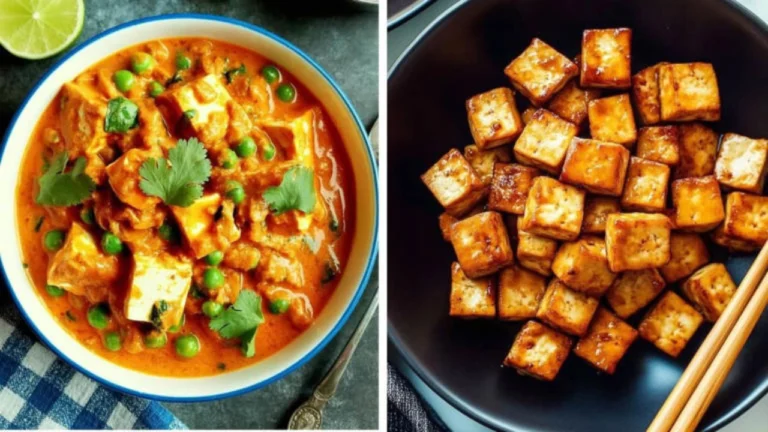
7. Packaged Paneer
While fresh paneer is naturally low in sodium, packaged versions often include added salt as a preservative, increasing sodium content significantly.
Tips to Reduce Sodium Intake
1. Read Nutrition Labels
Always check the sodium content on packaged foods. Opt for products labeled “low sodium” or “no added salt.”
2. Cook More at Home
Preparing meals at home gives you full control over the ingredients. Use herbs, spices, lemon, and natural flavors instead of salt.
3. Choose Healthier Alternatives
Look for low-sodium versions of sauces, snacks, and other packaged items.
4. Limit Processed Foods
Try to reduce your reliance on packaged and processed foods, as they are the biggest sources of hidden sodium.
5. Be Careful While Dining Out
Restaurant meals often contain high salt levels. Request less salt or ask for sauces and dressings on the side.
Hidden sodium in everyday foods can quietly damage your heart over time. By becoming more aware of what you eat and making mindful dietary choices, you can significantly reduce your sodium intake and lower your risk of serious health issues. Small changes today can lead to a healthier heart tomorrow.
About the Author