Chemically Ripened Mangoes
As summer arrives, markets across India are filled with the irresistible aroma of mangoes. Known as the “king of fruits,” Mango is a seasonal favorite for millions. However, behind the bright yellow glow of many mangoes lies a growing concern—artificial ripening using harmful chemicals.
Authorities have raised alarms about the increasing use of unsafe substances by some traders to speed up the ripening process. Highlighting the issue, V C Sajjanar cautioned consumers to be more aware while buying mangoes. According to him, in the race for quick profits, some sellers are using hazardous chemicals like Calcium Carbide instead of allowing fruits to ripen naturally.
While these mangoes may look perfectly ripe from the outside, they can pose serious health risks. This makes it important for consumers to know how to identify such fruits before bringing them home.
How to Identify Artificially Ripened Mangoes
Spotting chemically ripened mangoes is not as difficult as it seems. With a few simple checks, you can easily tell the difference between natural and artificial ripening.
1. Look at the Colour Carefully
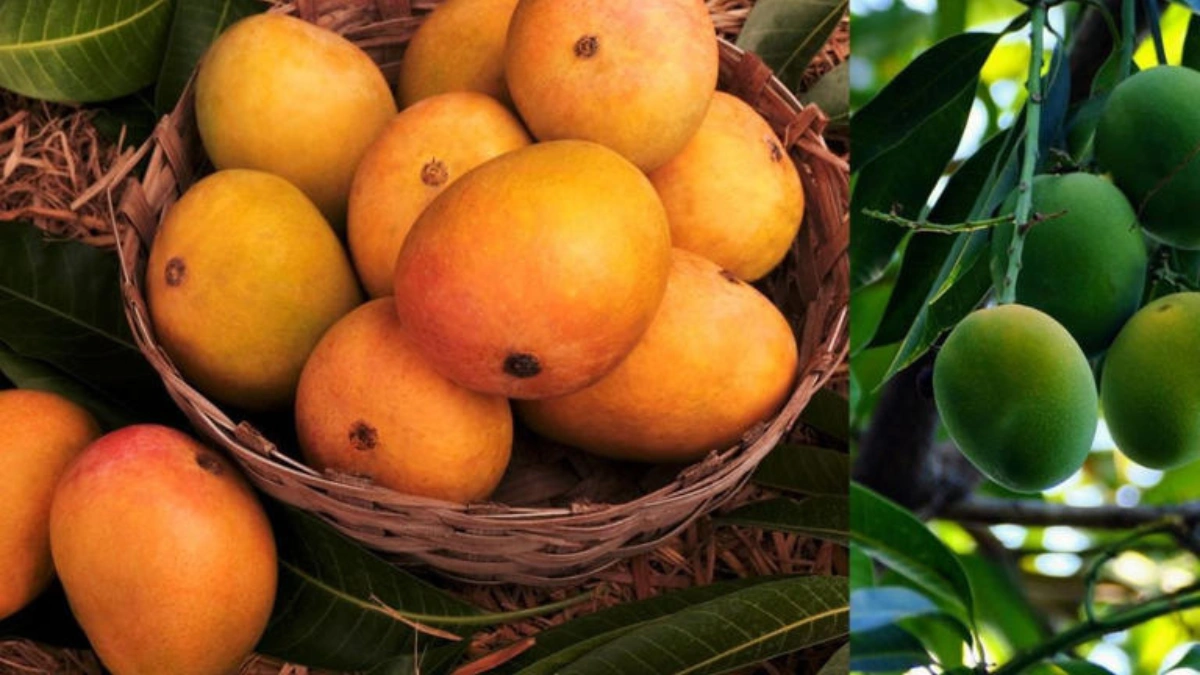
Naturally ripened mangoes usually have uneven colouring. You might notice patches of green, yellow, or even slight red shades on the skin.
On the other hand, artificially ripened mangoes tend to have a uniform bright yellow or golden appearance. While they may look attractive, this “perfect” look is often a warning sign.
2. Don’t Trust Perfect-Looking Mangoes
If every mango in a batch looks identical in colour and size, it’s worth being cautious. Nature rarely produces such uniformity. Artificial ripening often creates fruits that look too perfect to be real.
3. Check the Inside Texture
One of the biggest giveaways is the inside of the fruit. Chemically ripened mangoes may appear ripe outside but remain hard, pale, or underdeveloped inside.
A naturally ripened mango, in contrast, has consistent softness and colour throughout.
4. Smell Before You Buy
A ripe mango has a sweet, pleasant aroma near its stem. If you notice a chemical-like or unusual smell, it could indicate the use of artificial ripening agents.
Trust your senses—smell is often the quickest test.
5. Inspect the Skin Closely
Look for unusual spots, dark patches, or powdery residues on the peel. These could be signs of chemical treatment.
Natural mangoes may have minor imperfections, but they won’t show unnatural marks caused by external substances.
6. Try the Baking Soda Test at Home
A simple home test can help confirm your suspicion. Wash the mango in water mixed with a little baking soda. If you notice unusual colour changes or residue coming off, it may suggest chemical exposure.
7. Taste Matters
Finally, trust your taste buds. Artificially ripened mangoes may have a strange, bitter, or metallic aftertaste.
A naturally ripened mango should taste sweet, rich, and flavorful without any odd undertones.
Health Risks You Should Know
Consuming mangoes treated with chemicals like Calcium Carbide can have serious health consequences. Medical experts warn that even short-term exposure may lead to:
- Throat irritation
- Nausea and vomiting
- Stomach discomfort or diarrhoea
Over time, regular consumption of such fruits can contribute to more severe issues, including damage to the nervous system and respiratory complications.
This is why being mindful while buying mangoes is not just about taste—it’s about protecting your health.
Make Smarter Choices This Summer
Mango season should be a time of enjoyment, not worry. By paying close attention to simple signs like colour, smell, and texture, you can avoid chemically ripened fruits and choose safer, naturally ripened ones.
Whenever possible, buy from trusted vendors or local sources who follow natural ripening methods. Slight imperfections in appearance are often a good sign—they indicate the fruit has matured naturally.
In the end, a mango that looks less “perfect” may actually be the healthier and tastier choice.
About the Author