
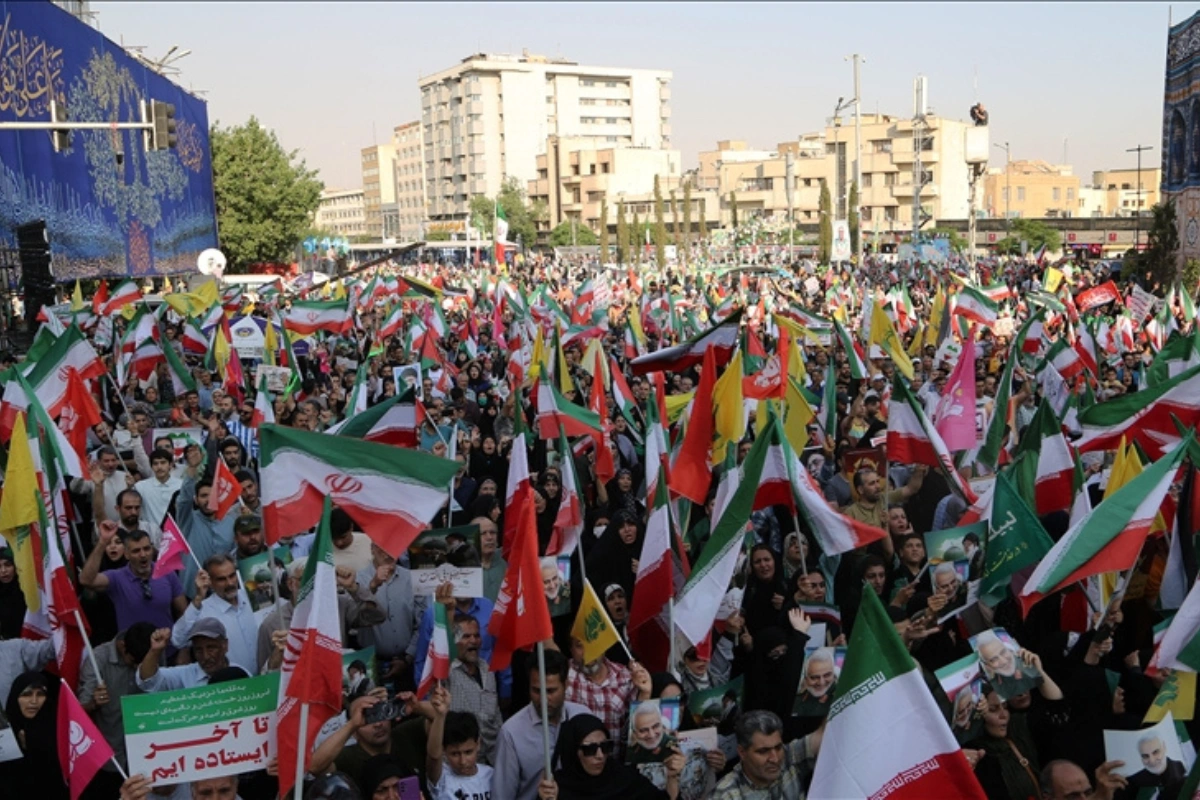
Iran is facing its most intense wave of unrest in years as protests continue to spread across the country, prompting authorities to impose a nationwide internet blackout and cut telephone services. The demonstrations, now in their twelfth day, have reportedly left at least 41 people dead and more than 2,270 detained, according to human rights groups.
The latest escalation began on December 28, 2025, when protests erupted in Tehran’s bazaars and marketplaces. Demonstrators poured into the streets amid soaring inflation, a collapsing currency, and widespread shortages of fuel and electricity. Iran’s rial has plunged to record lows, while annual inflation has crossed 42 percent, deepening public anger and economic despair.
Much of the recent mobilization followed a call for protests by exiled Iranian Crown Prince Reza Pahlavi. As crowds gathered in Tehran and other cities, authorities swiftly shut down internet access and disabled mobile and landline phone networks, a move that has historically coincided with harsher crackdowns.
The U.S.-based Human Rights Activists News Agency reported that security forces have used lethal force against protesters, resulting in dozens of deaths. Iranian authorities, meanwhile, have taken a hardline stance. The country’s Chief Justice warned that there would be no leniency for those accused of collaborating with what the state describes as enemies of the Islamic Republic.
International reaction has been sharp. US President Donald Trump issued a stern warning to Tehran, saying Washington would respond with severe measures if Iranian forces continued to kill peaceful demonstrators. Posting on Truth Social, Trump claimed the United States was “locked and loaded” to act if violence escalated further. US Treasury Secretary Scott Bessent also pointed to Iran’s fragile economic condition, noting that the country is already under extreme financial strain.
US Senator Lindsey Graham went even further, publicly warning Iran’s Supreme Leader Ayatollah Ali Khamenei to stop the bloodshed, threatening dire consequences if repression continued.
Digital monitoring groups Cloudflare and NetBlocks confirmed that the internet outage was the result of state-level interference. Reports also indicated that attempts to contact Iran from abroad, including calls routed through Dubai, were unsuccessful. Analysts warn that such communication blackouts often precede intensified state repression.
Reacting to the shutdown, Reza Pahlavi condemned the Iranian government for cutting off all channels of communication. In a post on X, he said millions of Iranians had demanded freedom, only to be met with censorship and isolation. He thanked President Trump for vowing to hold the Iranian leadership accountable and urged European nations to break their silence. Pahlavi called on global leaders to use diplomatic, technical, and financial tools to restore communication so the voices of Iranians could be heard.
As protests widen and pressure mounts at home and abroad, Iran’s civilian government and Supreme Leader Ayatollah Ali Khamenei are facing growing challenges, raising fears that the crisis could deepen further in the days ahead.