Fatty Liver Disease
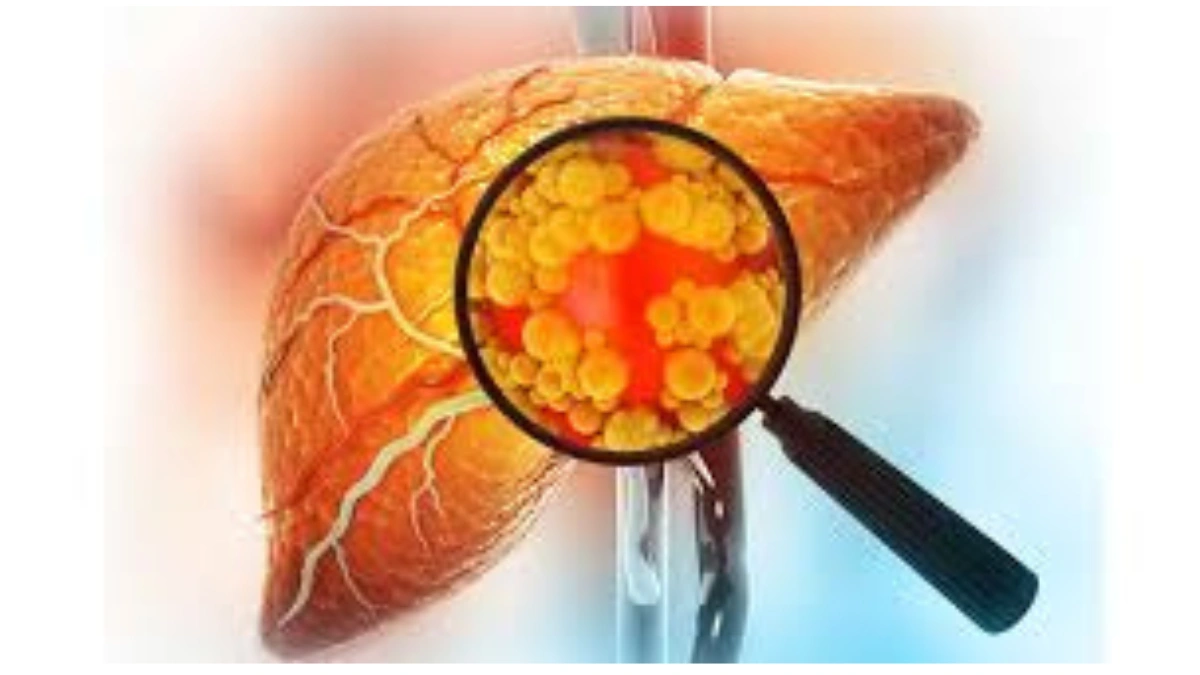
Fatty liver disease is becoming one of the most common health issues worldwide, especially due to modern lifestyles. It occurs when excess fat builds up in liver cells, affecting the liver’s ability to function properly. While the condition may seem harmless in its early stages, it can lead to serious complications if left untreated.
Understanding fatty liver disease and taking preventive measures can help you maintain a healthy life and avoid long-term damage.
What is Fatty Liver Disease?
Fatty liver disease is broadly classified into two types:
- Non-Alcoholic Fatty Liver Disease (NAFLD): Occurs in people who consume little to no alcohol.
- Alcoholic Fatty Liver Disease (AFLD): Caused by excessive alcohol consumption.
In both cases, fat accumulation in the liver can lead to inflammation, liver damage, and in severe cases, cirrhosis or liver failure.
Common Causes of Fatty Liver
Several factors contribute to the development of fatty liver disease:
- Unhealthy diet rich in fried and processed foods
- Obesity or being overweight
- Lack of physical activity
- Excessive alcohol consumption
- Diabetes and insulin resistance
- High cholesterol or triglyceride levels
Modern sedentary lifestyles and poor eating habits are the primary reasons behind the rising number of cases.
Symptoms You Should Not Ignore
Fatty liver disease often develops silently, with no noticeable symptoms in the early stages. However, as the condition progresses, you may experience:
- Fatigue and weakness
- Pain or discomfort in the upper right abdomen
- Unexplained weight loss
- Loss of appetite
- Swelling in the abdomen (in severe cases)
Because symptoms are subtle, regular health check-ups are important for early detection.
How to Protect Yourself from Fatty Liver
The good news is that fatty liver disease is largely preventable and even reversible in its early stages. Here are some effective ways to protect yourself:
1. Maintain a Healthy Diet
Your diet plays a crucial role in liver health. Focus on:
- Eating fresh fruits and vegetables
- Choosing whole grains over refined carbohydrates
- Including lean protein like fish, chicken, and legumes
- Avoiding sugary drinks, junk food, and fried items
A balanced diet helps reduce fat buildup in the liver and improves overall health.
2. Exercise Regularly
Physical activity is one of the best ways to prevent fatty liver.
- Aim for at least 30 minutes of exercise daily
- Include activities like walking, jogging, cycling, or yoga
- Regular exercise helps burn fat and improve metabolism
Even moderate physical activity can make a significant difference.
3. Control Your Weight
Being overweight is a major risk factor for fatty liver disease.
- Try to maintain a healthy Body Mass Index (BMI)
- Avoid crash dieting; instead, opt for gradual weight loss
- Losing even 5–10% of body weight can improve liver health
4. Limit Alcohol Consumption
Alcohol directly affects liver function.
- Reduce or completely avoid alcohol intake
- Even small amounts can worsen liver damage if you already have fatty liver
5. Manage Blood Sugar and Cholesterol
Conditions like diabetes and high cholesterol increase the risk.
- Monitor blood sugar levels regularly
- Follow a doctor-recommended diet if you have diabetes
- Keep cholesterol levels under control
6. Stay Hydrated
Drinking enough water helps flush toxins from the body and supports liver function.
- Aim for 7–8 glasses of water daily
- Avoid sugary beverages and sodas
7. Avoid Unnecessary Medications
Overuse of certain medications can harm the liver.
- Take medicines only as prescribed
- Avoid self-medication
When to See a Doctor
If you experience persistent symptoms like fatigue, abdominal pain, or sudden weight loss, consult a doctor immediately. Early diagnosis through blood tests or imaging can prevent complications.
Fatty liver disease is a silent but serious condition that is largely linked to lifestyle choices. The good news is that it is preventable and even reversible with timely action. By adopting a healthy diet, staying active, maintaining a healthy weight, and avoiding harmful habits like excessive alcohol consumption, you can protect your liver and overall health.
Taking small steps today can lead to a healthier future. Your liver plays a vital role in your body—take care of it, and it will take care of you.
About the Author