
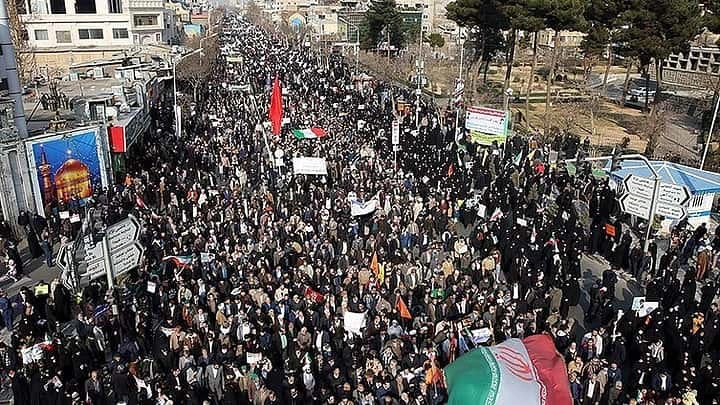
India has urged its citizens to avoid non-essential travel to Iran as widespread protests triggered by economic turmoil continue to grip the country. The advisory comes amid growing unrest over soaring inflation and the rapid devaluation of the Iranian currency, developments that have sparked demonstrations across multiple provinces.
In a statement on Monday, the Ministry of External Affairs (MEA) said the situation remains unpredictable and advised travelers to postpone plans until conditions stabilize.
“In view of recent developments, Indian nationals are advised to avoid non-essential travel to the Islamic Republic of Iran until further notice,” the advisory said.
The government also asked Indian nationals and Persons of Indian Origin currently in Iran to stay alert, avoid protest zones, and closely follow updates issued by the Indian Embassy in Tehran through official channels.
Those staying in Iran on resident visas have been encouraged to register with the embassy, if they have not done so already, to ensure they can receive safety updates and assistance if required.
Protests spread nationwide
What began as isolated demonstrations in Tehran about nine days ago has now spread across most of Iran. Reports suggest that protests have taken place in roughly 25 of the country’s 31 provinces. The unrest, which initially stemmed from economic frustration, has escalated into a broader expression of public anger, with more than 10 people reported dead.
The Iranian rial has plunged sharply against the US dollar, worsening living costs and putting immense pressure on households. Price hikes and declining purchasing power have fuelled resentment, leading tens of thousands to the streets despite a strong security presence.
International reaction and rising tensions
The situation has drawn global attention, particularly from the United States. Last week, former US President Donald Trump issued stern warnings to Tehran, suggesting tough consequences if authorities intensify their crackdown on demonstrators.
“We’re watching it very closely,” he said, cautioning Iran that it would be “hit very hard” if violence against protesters escalated further. His remarks revived memories of previous confrontations, including US air strikes on Iranian nuclear facilities the year before.
Iran’s leadership has accused foreign actors of encouraging unrest, while insisting the government is working to stabilise the economy. However, as protests widen, concerns about potential clashes and communication shutdowns have increased.
New Delhi prioritises citizen safety
India’s advisory underscores the uncertainty surrounding travel in such volatile conditions. Officials emphasized that demonstrations can erupt without warning and quickly turn unsafe, posing risks to foreigners unfamiliar with local dynamics.
Indian authorities continue to coordinate with the embassy in Tehran and say they are prepared to provide consular support if required. Meanwhile, nationals already in Iran have been advised to stay indoors when possible, avoid political gatherings, and maintain contact with local authorities.
With tensions still rising, the advisory is expected to remain in place until there are clearer signs of stability.