Imran Khan
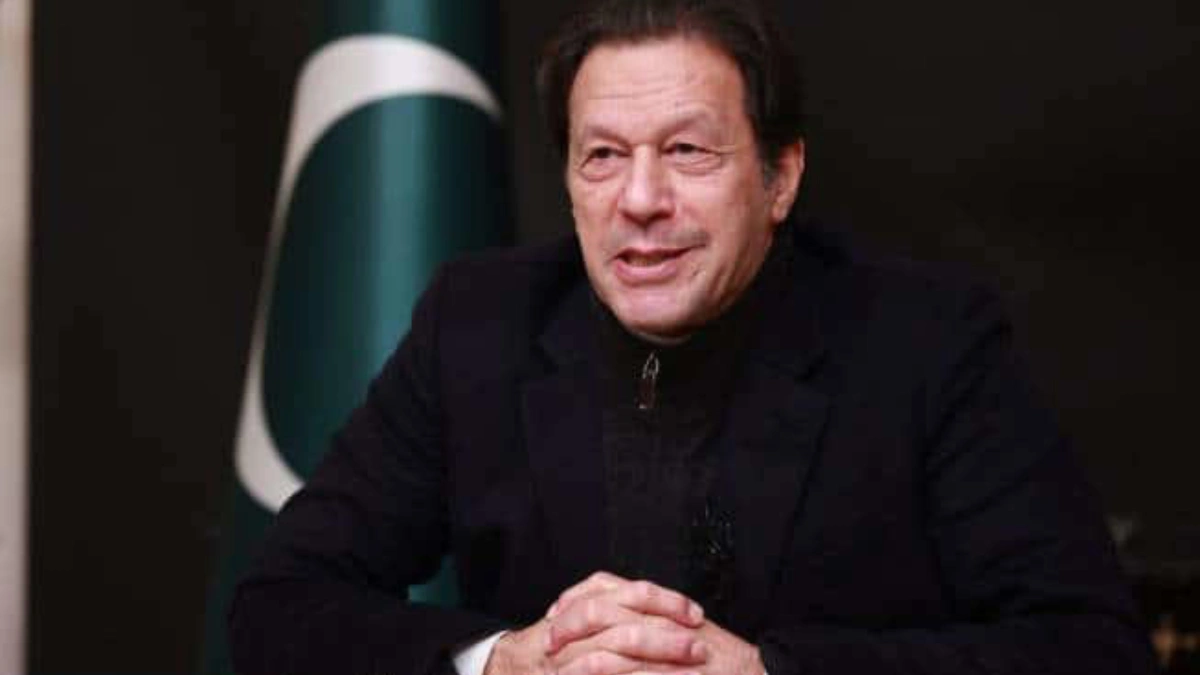
An unexpected controversy unfolded during the Sheffield Shield final in Melbourne after a spectator was initially denied entry into the stadium for wearing a T-shirt bearing the message “Free Imran Khan.” The incident, which took place at Junction Oval during the clash between South Australia and Victoria, quickly drew attention within the cricketing community and sparked discussions around the intersection of sport, expression, and political messaging.
The fan, identified as Luke Brown, arrived at the venue on the opening day of the match but was stopped by security officials due to the slogan on his T-shirt. The message referred to Imran Khan, the former Pakistan captain and ex-prime minister, who is currently imprisoned. According to reports, stadium authorities viewed the message as a political statement and asked Brown to cover it up before he could gain entry into the ground.
Brown complied with the request at the time, but the situation soon gained traction, prompting Cricket Australia to review the matter. Following a reassessment, the governing body issued a statement clarifying its position and ultimately allowed the fan to enter the venue without restrictions on wearing the T-shirt.
A spokesperson for Cricket Australia explained that the issue was reconsidered in light of broader concerns within the global cricket community regarding Imran Khan’s well-being. The board concluded that the message on the T-shirt could be interpreted as a humanitarian expression rather than a political one. As such, it did not breach the organization’s policies regarding prohibited content at venues.
The statement further noted that security staff had acted appropriately based on the information and guidelines available to them at the time. However, after a deeper evaluation, the situation was deemed to fall outside the scope of political messaging that would typically warrant restriction.
The controversy also comes amid ongoing concerns about Imran Khan’s condition in custody. He is currently being held at Adiala Jail in Rawalpindi, where he faces multiple legal cases, including corruption charges. Over recent months, several voices from the cricketing world have expressed concern about his treatment and overall welfare.
Notably, a group of former international cricket captains, including Greg Chappell and Sunil Gavaskar, were among 14 signatories to a petition calling for improved conditions and fair treatment for Khan. Their involvement has added weight to the argument that the issue extends beyond politics and into humanitarian territory.
Speaking about the incident, Luke Brown admitted he was initially surprised by the reaction of the authorities. While he acknowledged that security personnel often rely on broad rules to manage complex situations, he felt that the decision to block his entry was not the right one. Brown also emphasized that the cricketing community should unite in support of a figure who has made significant contributions to the sport.
He further pointed out that while individual fans can easily express their views, governing bodies like Cricket Australia face a more challenging task in balancing neutrality with public sentiment. Despite his initial disappointment, Brown commended the organization for revisiting the decision and taking swift action to address the issue.
The broader context surrounding Imran Khan adds further complexity to the situation. The former all-rounder, who famously led Pakistan to victory in the 1992 Cricket World Cup, has been in custody since August 2023 following his removal from office through a parliamentary vote. He and his wife, Bushra Bibi, have been involved in multiple legal cases, with additional sentences handed down in late 2024 related to corruption allegations.
As debates continue around freedom of expression in sporting venues, the incident at Junction Oval highlights the challenges authorities face in distinguishing between political messaging and humanitarian advocacy. Cricket Australia’s eventual decision to allow the T-shirt underscores a nuanced approach, reflecting both adherence to policy and responsiveness to community sentiment.
About the Author