Ranbir Kapoor
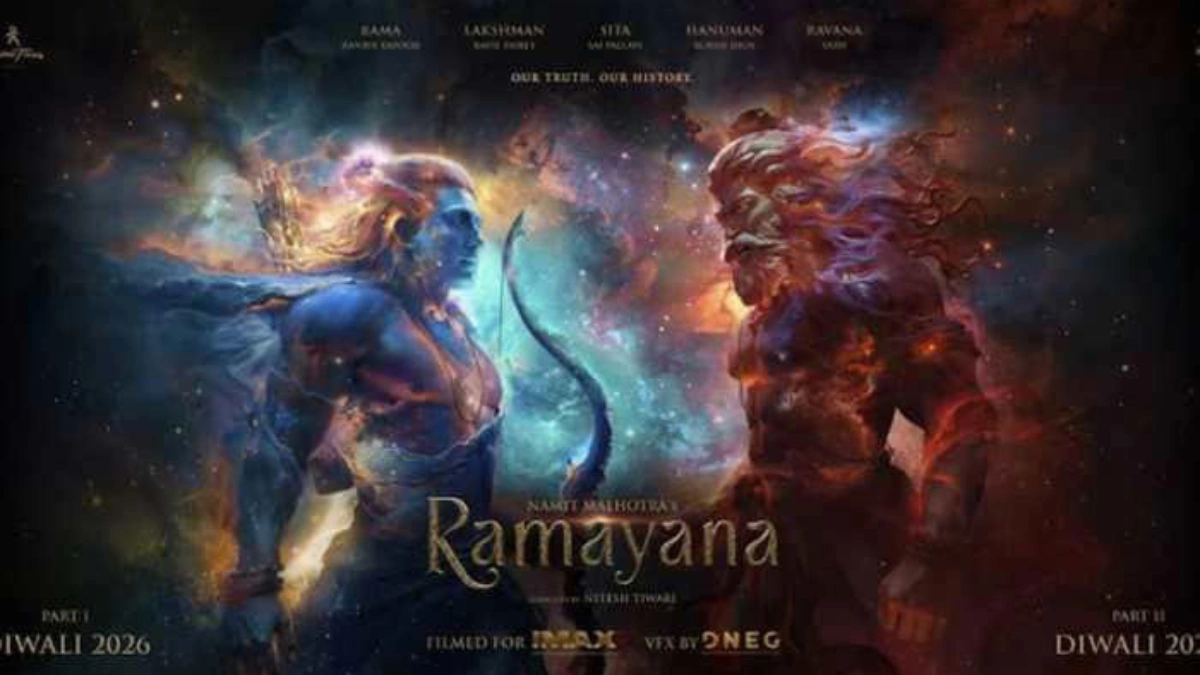
One of the most highly anticipated cinematic projects in recent times, Ramayana, directed by Nitesh Tiwari, continues to generate immense excitement among audiences. The ambitious two-part epic, backed by producer Namit Malhotra, has been creating a steady buzz ever since its announcement. With its promise of grand storytelling, cutting-edge visual effects, and a globally appealing presentation, the film is being positioned as a landmark project in Indian cinema.
Adding to the growing anticipation, the makers have now revealed a major update that has thrilled fans across the country. On the auspicious occasion of Ram Navami, Namit Malhotra took to social media to announce that the first glimpse of Lord Rama from the film will be unveiled on Hanuman Jayanti, which falls on April 2. This reveal is expected to mark a significant milestone in the film’s promotional journey.
The upcoming glimpse has been titled “Rama,” and it will offer audiences their first look at Ranbir Kapoor in the role of Lord Rama. The announcement has amplified excitement, especially given the scale and emotional significance associated with the character. Fans have been eagerly waiting to see how the beloved actor transforms into one of the most revered figures in Indian mythology.
In his message shared online, Malhotra expressed both pride and responsibility in bringing the epic tale to life. He highlighted that Ramayana is a story that belongs to everyone and emphasized the team’s dedication to portraying it with authenticity, devotion, and respect. He also mentioned that the upcoming reveal is part of a larger effort to showcase years of hard work, culminating in a grand global presentation for audiences worldwide.
View this post on Instagram
The film’s casting has also played a crucial role in building anticipation. Ranbir Kapoor will be seen portraying Lord Rama, while Sai Pallavi takes on the role of Sita. Kannada superstar Yash is set to play the formidable Ravana, adding intensity and depth to the narrative. Sunny Deol will step into the role of Hanuman, bringing his powerful screen presence to the character, while Ravi Dubey will be seen as Lakshman. This ensemble cast has further heightened expectations, as each actor brings a unique strength to their respective roles.
Beyond its casting, Ramayana stands out for its scale and technical ambition. The film is being produced under Prime Focus Studios in collaboration with the globally renowned VFX company DNEG, which has won multiple Academy Awards. Yash’s production house, Monster Mind Creations, is also associated with the project, indicating a strong creative and technical backing.
The makers are envisioning Ramayana as a cinematic spectacle that transcends geographical boundaries. With a planned worldwide IMAX release, the film aims to deliver an immersive theatrical experience. The first part of the epic is scheduled to release during Diwali 2026, followed by the second installment in Diwali 2027.
As the countdown begins for the first glimpse of “Rama,” excitement continues to build among fans and industry watchers alike. The strategic timing of the reveal on Hanuman Jayanti adds a cultural and emotional layer to the announcement, making it even more significant. With its blend of mythology, star power, and advanced filmmaking techniques, Ramayana is shaping up to be one of the most ambitious and talked-about projects in Indian cinema history.
About the Author