In a landmark moment for global cricket, American investors have made historic billion-dollar acquisitions in the Indian Premier League (IPL), signaling the league’s growing financial power and international appeal. Two major deals finalized on the same day have pushed IPL franchise valuations past the $1 billion mark for the very first time.
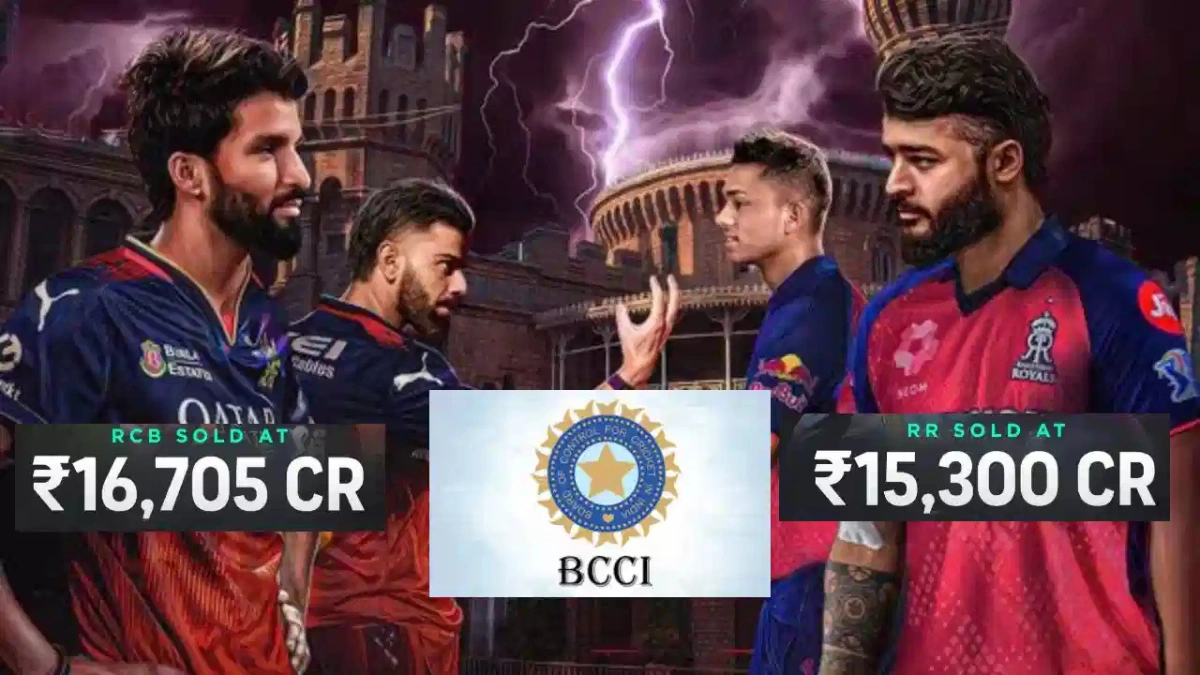
The biggest headline came with the reported acquisition of the Rajasthan Royals for approximately $1.63 billion by a consortium led by U.S.-based businessmen Kal Somani and Rob Walton. This marks a dramatic rise in valuation for a franchise that was originally purchased for just $67 million back in 2008.
Soon after, another record-breaking deal followed. The Royal Challengers Bengaluru (RCB) was reportedly acquired for an even higher valuation of $1.78 billion. The buying consortium includes David Blitzer’s Bolt Ventures along with global asset management giant Blackstone. These back-to-back transactions highlight the IPL’s transformation into one of the most valuable sporting leagues in the world.
Record-Breaking Growth
The scale of these deals becomes even more striking when compared to the IPL’s early days. In 2008, RCB was purchased by Vijay Mallya for $111.6 million, while Rajasthan Royals changed hands for just $67 million. The latest valuations represent exponential growth, reflecting the league’s rapid commercial success over the past decade and a half.
Reacting to the development, former Indian cricket captain Sourav Ganguly described the numbers as “mind-boggling,” adding that such investments are a strong indicator of the league’s bright future. He even compared the IPL’s stature to that of the National Basketball Association, emphasizing its global relevance.
IPL’s Rising Global Influence
The IPL has evolved far beyond a domestic tournament into a global sporting powerhouse. Its fast-paced Twenty20 format, star-studded lineups, and massive fan following have attracted investors from around the world.
A major milestone came in 2022, when media rights for the 2023–2027 cycle were sold for a staggering $6.4 billion to Disney Star and Reliance Viacom18. This deal significantly boosted the league’s valuation and cemented its position as one of the richest sports leagues globally.
David Blitzer called the IPL “one of the great growth stories in global sport,” reflecting the sentiment among international investors who see enormous long-term potential in the league.
Expanding Into Global Markets
While IPL franchises still trail the valuations of top global sports teams like the Dallas Cowboys or Real Madrid, the gap is gradually narrowing. Cricket’s growing footprint in new markets, particularly the United States, is expected to drive further expansion.
Upcoming global events such as the ICC Men’s T20 World Cup 2024 and cricket’s inclusion in the Los Angeles Olympics 2028 are likely to boost the sport’s visibility in North America. Additionally, companies like the Times Group are investing heavily in the U.S. cricket ecosystem through platforms like Willow TV, which broadcasts international matches to American audiences.
Ownership Changes and Future Plans
The new ownership groups are expected to bring strategic and operational changes to their respective franchises. For RCB, leadership restructuring is already underway, with Aryaman Vikram Birla set to take over as chairman and Satyan Gajwani assuming the role of vice chairman.
Meanwhile, Kal Somani—already an existing stakeholder in Rajasthan Royals—is likely to gain full control of the franchise, subject to approval from the Board of Control for Cricket in India.
A Turning Point for Cricket
These billion-dollar deals mark a turning point not just for the IPL but for cricket as a global business. The entry of high-profile American investors underscores the sport’s expanding commercial appeal and its potential to rival established global leagues.
As franchise values continue to soar and international interest grows, the IPL is poised to enter a new era—one defined by global capital, wider audiences, and unprecedented financial scale.
About the Author